
BIPVSYSTEM

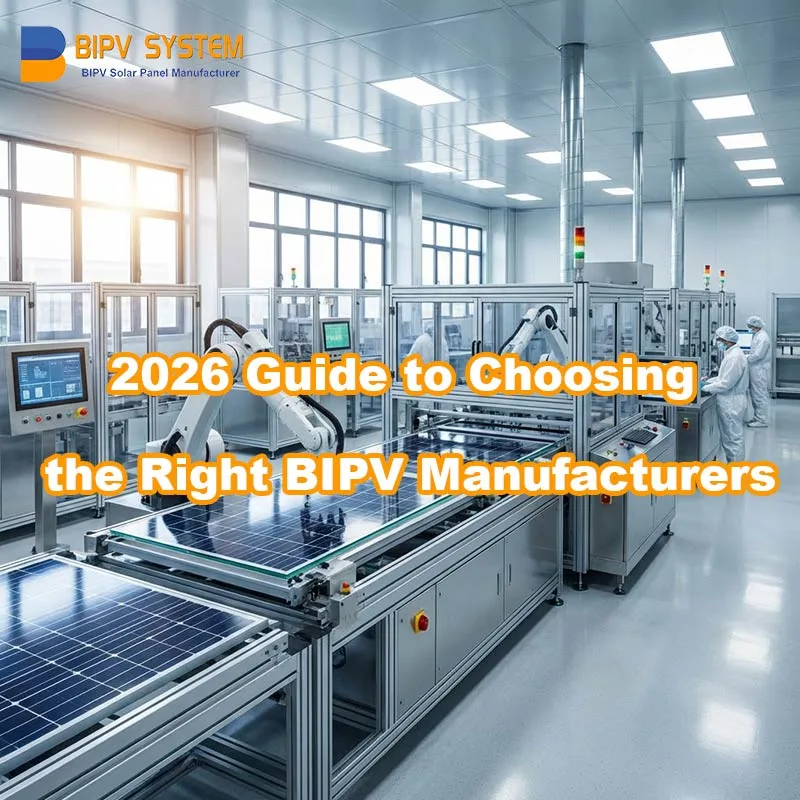
2026 Guide to Choosing the Right BIPV Manufacturers

2026 Best Guide to Choosing BIPV Manufacturers

Choosing the right partner for your solar-integrated project is a high-stakes decision that bridges the worlds of renewable energy and architecture. As we navigate the 2026 market, the criteria for excellence have shifted from simple power output to long-term structural reliability and seamless aesthetic integration.

2026 Best Guide to Choosing BIPV Manufacturers Read More »

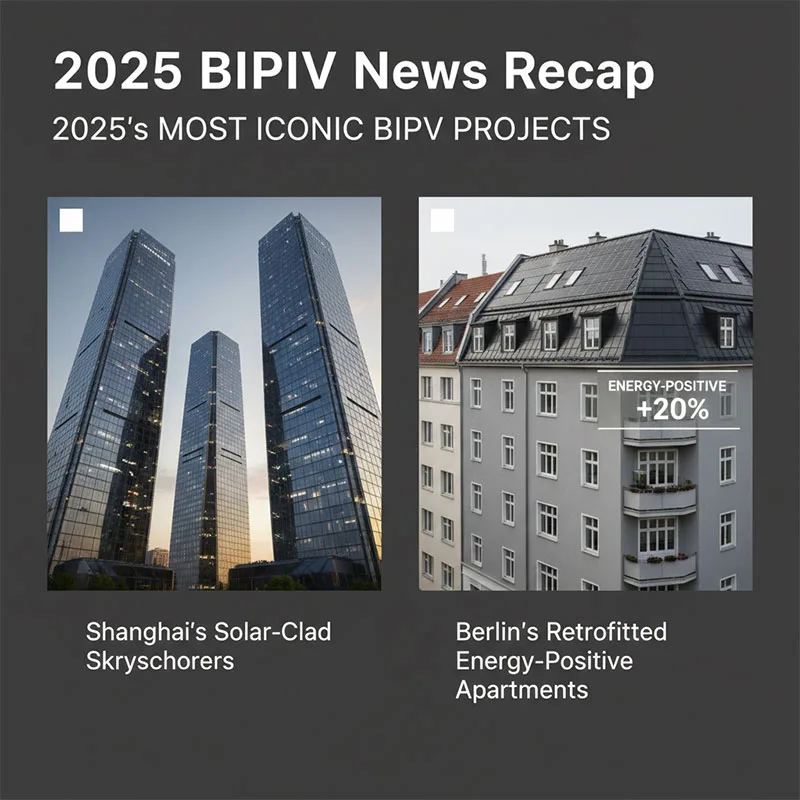
BIPV News:The solar-clad skyscrapers and the retrofitted energy-positive apartments

2025 BIPV News Recap: Key Tech Breakthroughs, Policy Signals, and Market Moves

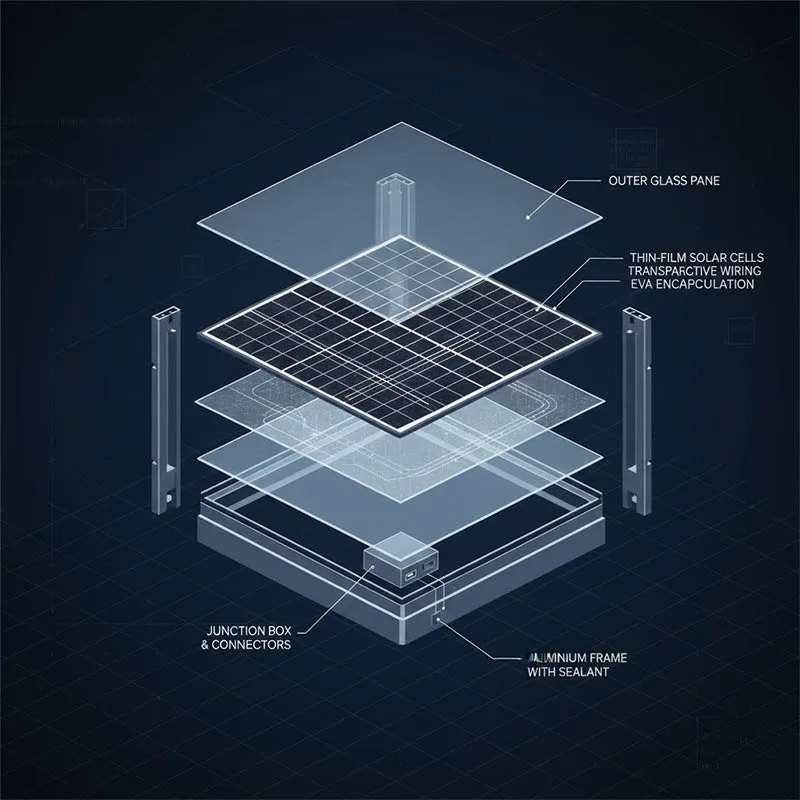
BIPV news in 2025 mostly meant one thing: building-integrated photovoltaics (BIPV) moved further from “cool architecture idea” to repeatable products + real policy signals, especially in solar roofs, facades, and next-gen PV materials. BIPV is PV that becomes part of the building envelope (roof, facade, glazing, shading)—so it replaces conventional building materials while generating electricity.

2025 BIPV News Recap: Key Tech Breakthroughs, Policy Signals, and Market Moves Read More »

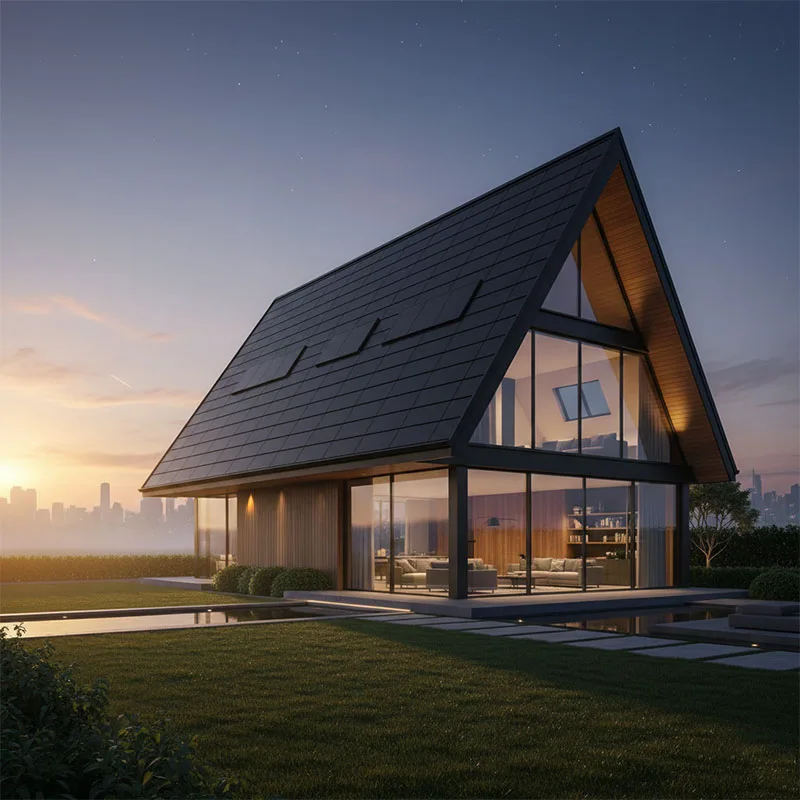
A luxury modern home featuring sleek black BIPV solar roof tiles

Residential BIPV System: The Ultimate Guide to Seamless Home Solar Integration

Residential BIPV is best for homeowners who want solar that looks like part of the home—especially during new construction or roof replacement—because the PV product replaces roofing materials while generating electricity. It can improve aesthetics and solve HOA constraints, but it often costs more upfront than conventional panels and requires careful envelope detailing (waterproofing, drainage, wiring routes, and service access).

Residential BIPV System: The Ultimate Guide to Seamless Home Solar Integration Read More »

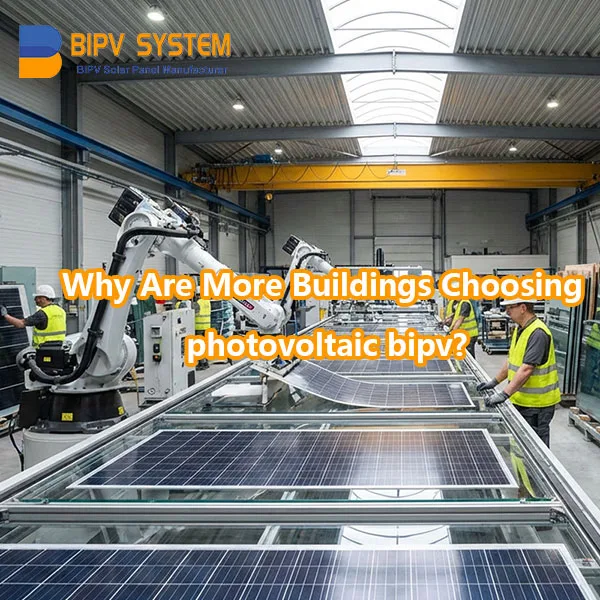
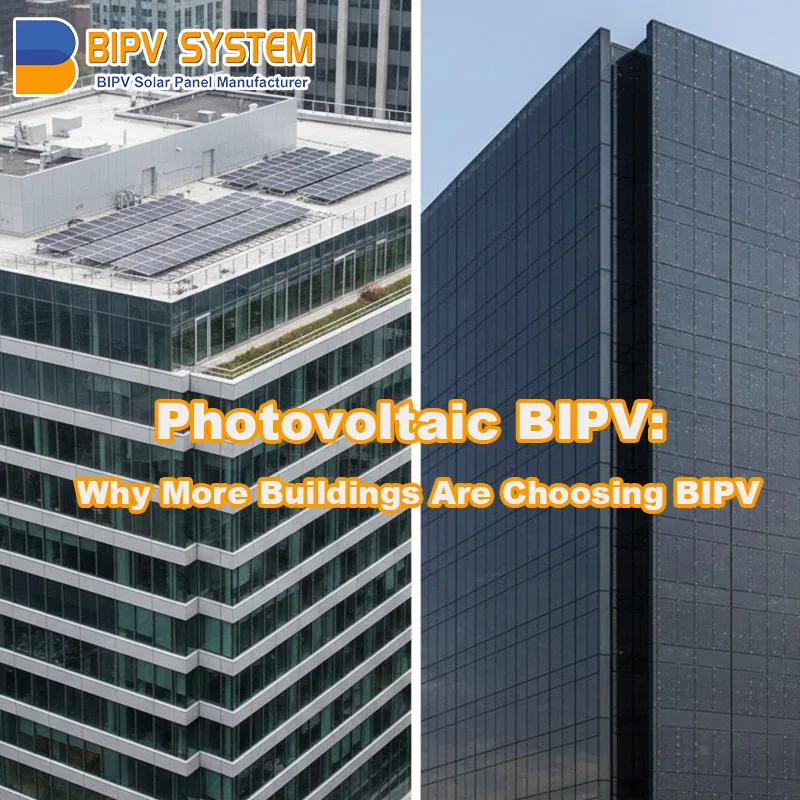
Photovoltaic BIPV: Why More Buildings Are Choosing BIPV

Photovoltaic BIPV: Why More Buildings Are Choosing BIPV

BIPV buildings help achieve green building goals by reducing operational carbon through on-site renewable electricity, while meeting envelope functions (cladding, glazing, shading). They support net-zero pathways that prioritize energy efficiency first and then supply remaining demand with renewable energy, and they align with certification frameworks that recognize on-site/near-site renewables and metered performance.

Photovoltaic BIPV: Why More Buildings Are Choosing BIPV Read More »