
BIPV Facade Systems for Commercial Building Envelopes
BIPVSYSTEM provides BIPV facade systems for commercial, office, public, and mixed-use buildings that require the facade to deliver both architectural value and on-site power generation. Instead of treating photovoltaics as an added element, our facade systems are designed to become part of the building envelope itself.
Our BIPV facade system are suitable for commercial, office, public, and mixed-use buildings that require architectural expression together with on-site power generation. We support project-based customization across color, surface effect, transparency, and facade layout to match both design intent and technical requirements.
- Facade systems built for commercial envelope integration
- Color, transparency, decorative surface, and layout customization
- Technical review and quotation support for project-based facade routes
180–390 Wp
Power Range
33 kg/m²
module weight
1.1
U-value
0.23
SHGC
Why Use a BIPV Facade System
BIPV facade system is chosen when the building envelope is expected to do more than close the exterior. In many commercial and public projects, the facade also needs to contribute to building image, material expression, energy generation, and long-term asset value. This is where a facade-integrated photovoltaic route becomes more suitable than conventional cladding or an add-on solar strategy.
Compared with a standard facade, a BIPV facade route adds power-generating value without giving up the architectural role of the envelope. Compared with standard solar products, it offers a more integrated way to align energy generation with facade design, panel layout, and project-specific appearance requirements.
At BIPVSYSTEM, we supply facade routes that are built around real project conditions, including colored facades, decorative surfaces, semi-transparent facade options, and project-specific customization paths. This allows designers, developers, and EPC teams to approach the facade as one coordinated building-and-energy system.
BIPV facade system should be evaluated as part of the building envelope, not as a standard solar add-on. For commercial projects, the value comes from combining exterior design, material replacement, and on-site generation in one coordinated facade route.
Facade Identity
The facade remains part of the architectural language while also contributing to on-site power generation.
Material Replacement Value
The system can work as part of the building skin rather than as a separate add-on energy product.
Project-Based Customization
Color, texture, transparency, and panel arrangement can be adjusted according to project goals and building type.
What Makes the Facade Route Different
Facade projects are usually driven by a different decision logic from roof projects or standard PV applications. The facade is visible, design-sensitive, and closely tied to brand image, public perception, and architectural quality. That means the route must support both energy output and exterior expression.
For this reason, facade pages should not stop at generic module language. What matters most is how the system responds to cladding logic, color strategy, decorative material goals, transparency requirements, and mounting conditions. A strong facade system must balance appearance, engineering compatibility, and long-term envelope performance.
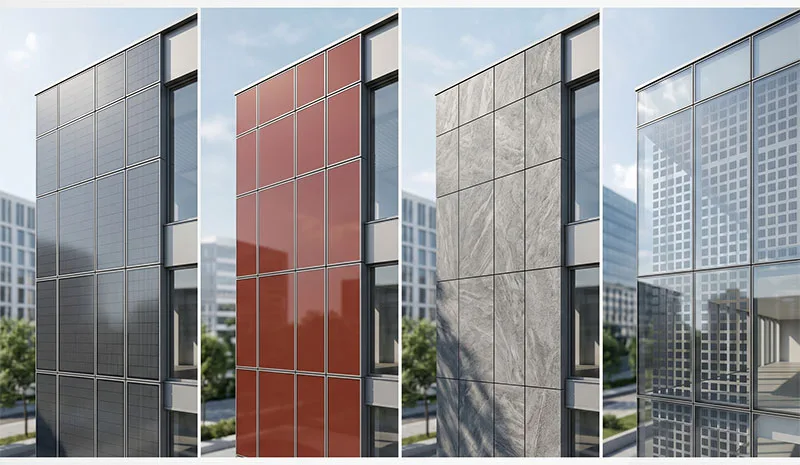
Facade Cladding Route
Suitable for projects that want to replace or upgrade facade surfaces with a power-generating building envelope.
Colored Facade Route
Useful for commercial and public buildings that require stronger visual identity than conventional black photovoltaic products can provide.
Stone-Look and Decorative Route
Suitable where the facade needs a more material-like architectural expression while maintaining photovoltaic function.
Semi-Transparent Route
Suitable where daylight, visual openness, and controlled transparency need to be balanced with facade-level energy generation.
Reference Parameters for Facade Projects
For facade-led projects, reference parameters are most useful when they help the project team judge whether the system fits the building envelope, not just when they present electrical data. Weight, U-value, SHGC, load, glass structure, and durability all affect whether a facade system is suitable for a specific project.
For most commercial facade projects, these values are used to confirm whether the facade route is directionally suitable before detailed engineering and quotation begin.
| Parameter | Reference Facade Parameter Baseline |
|---|---|
| Reference Size (L×W×H) | 1805 × 1150 × 14.4 mm |
| Module Weight | 67.5 kg (±0.5) |
| Power Range | 180–390 Wp |
| Weight / m² | 33 kg/m² |
| Junction Box | IP67 / IP68 |
| Output Cable | 4 mm², 1100 mm |
| Linear Power Warranty | 30 years |
| Cell Type | N-type monocrystalline |
| Glass Build-Up | Ultra-clear tempered front / tempered back |
| Static Load | 5400 / 2400 Pa |
| Encapsulation | PVB |
| Product Warranty | 10 years materials & process |
| U-value | 1.1 W/(m²·K) |
| SHGC | 0.23 |
Reference values for early-stage evaluation of BIPV facade routes in commercial and public building projects.
Customization for Commercial Facades
Customization is one of the main reasons project teams choose a BIPV facade system. In commercial buildings, the facade often carries visual identity, material language, and public-facing architectural value. Standard photovoltaic products usually cannot satisfy all of those requirements without compromising the design.
BIPVSYSTEM supports project-based customization across color, surface effect, transparency, and panel layout so that the facade system can align more closely with architectural intent and project conditions. The goal is not only to generate power, but to make the photovoltaic facade work as part of the building’s actual exterior expression.
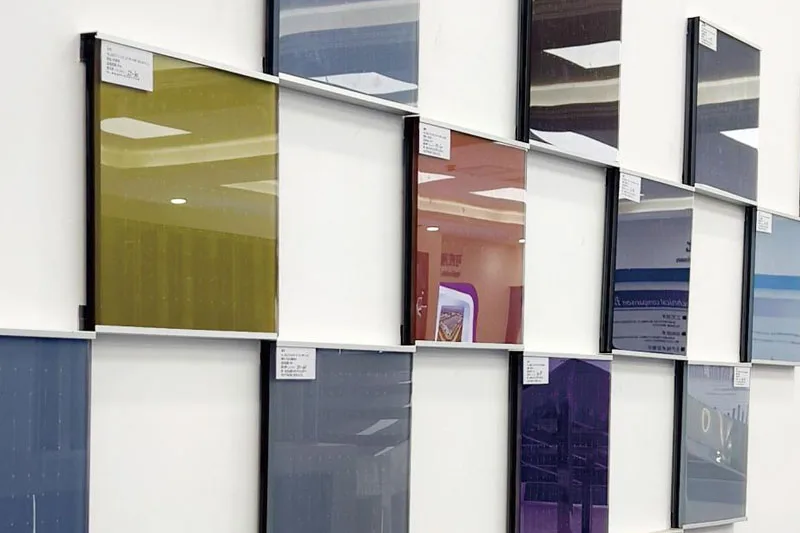
Color and Branding
For facade routes that require stronger visual identity and color alignment.
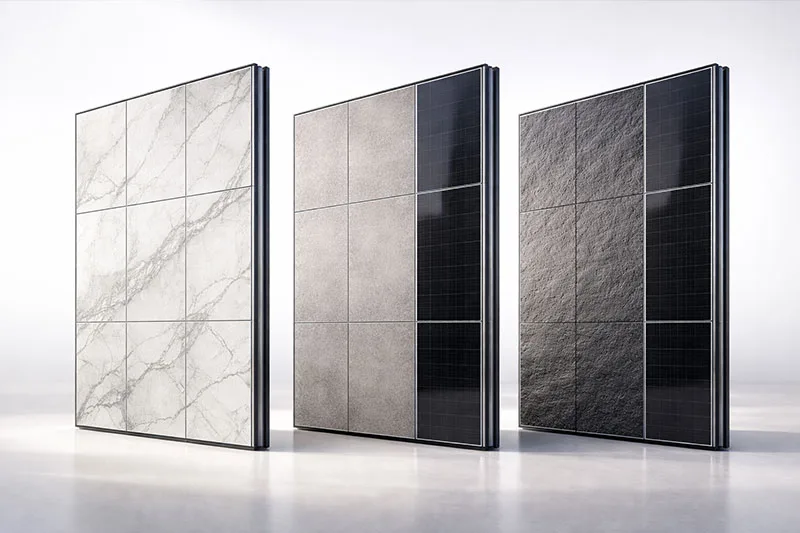
Visual Texture and Material Effect
For projects that need decorative surface expression beyond standard PV appearance.
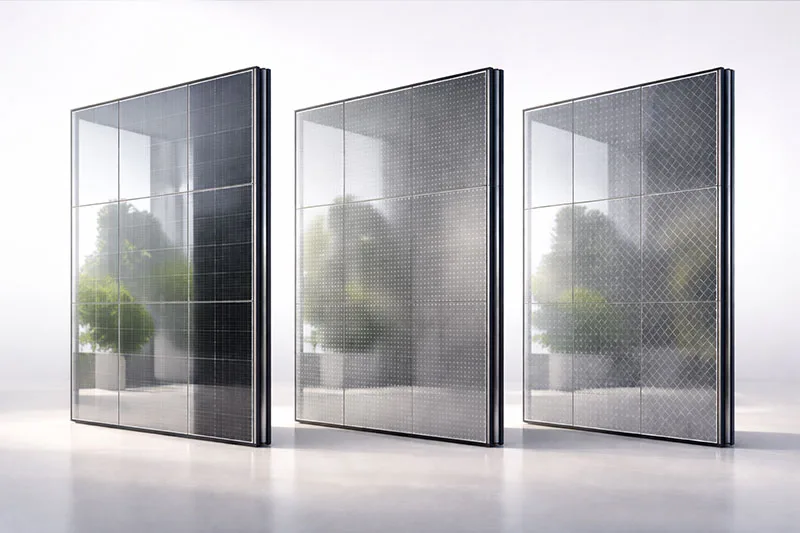
Transparency and Pattern Control
For facade concepts that require visual openness, filtered light, or patterned photovoltaic surfaces.
Real Facade Proof Points
Facade systems should be supported by project proof, because buyers need to see how facade routes work in real building conditions. Reference cases are useful not only for showing completed work, but also for proving different facade paths such as office building envelopes, colored commercial facades, and large-area public or industrial exteriors.
For commercial buyers, the most valuable proof usually comes from projects that demonstrate exterior integration, visual control, and route-specific fit rather than from isolated product photos. This is why representative facade cases remain one of the strongest conversion assets on the page.
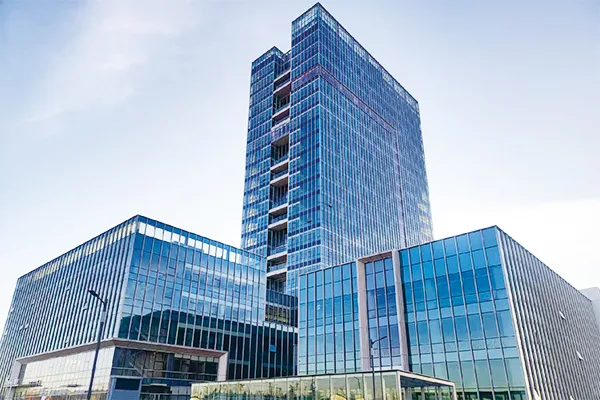
Public / Institutional facade proof
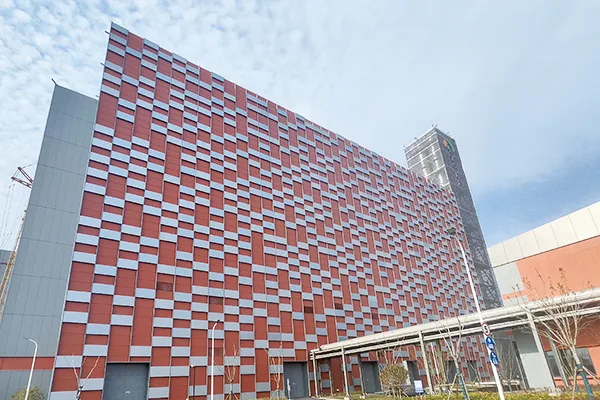
Shows how a BIPV facade route can support public and office buildings that require architectural presence, envelope integration, and visible sustainability value.
Colored Shopping Mall Facade
Shows how a colored facade route can deliver stronger commercial identity while maintaining integrated photovoltaic function in the exterior skin.
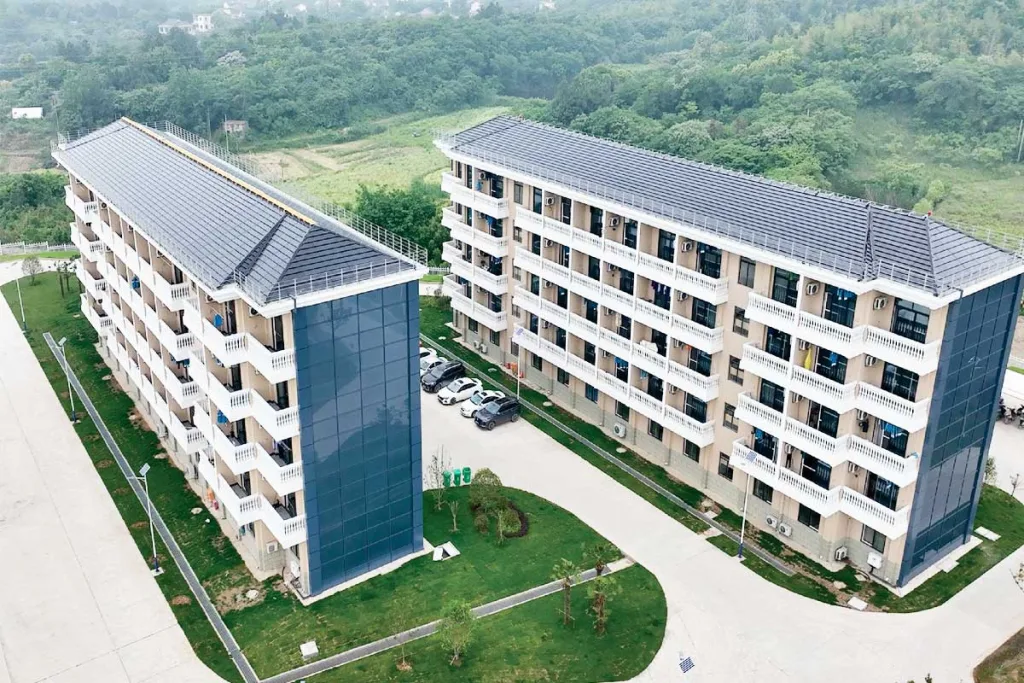
Industrial Facade Project
Shows that BIPV facade systems can also serve larger-scale industrial and commercial exteriors where durability, surface coverage, and route-level practicality matter.
Performance and Approval Considerations
BIPV facade system is not judged by appearance alone. In real projects, performance and approval considerations often have a direct influence on whether a route can move forward. This is especially true for commercial, public, and design-led buildings where envelope quality and compliance expectations are higher.
For commercial facade projects, approval and performance review often determine whether a route can move forward. That is why facade system evaluation should include not only output expectations, but also weight, load behavior, thermal values, maintenance logic, and the documentation needed for project review.
Facade projects need to review panel weight, load path, and system support conditions early.
Fire and Waterproofing Review
Envelope routes should be assessed in relation to safety, weather resistance, and sealing strategy.
Thermal Performance
U-value and SHGC are important where facade performance affects building comfort and envelope behavior.
Maintenance Access
Cleaning, replacement logic, and serviceability should be considered at facade-system level.
Documentation Support
Project evaluation usually requires data sheets, reference parameters, and route-specific technical information.
Your Facade System Material Reimagined
Core Advantages of Our BIPV Facade System
BIPVSYSTEM develops facade routes around the practical needs of commercial projects: design flexibility, route stability, performance review, and reliable project support from early evaluation to quotation.
Our goal is not only to supply photovoltaic products, but to provide facade routes that can work in real envelope conditions, with the customization, documentation, and project coordination needed for commercial delivery.
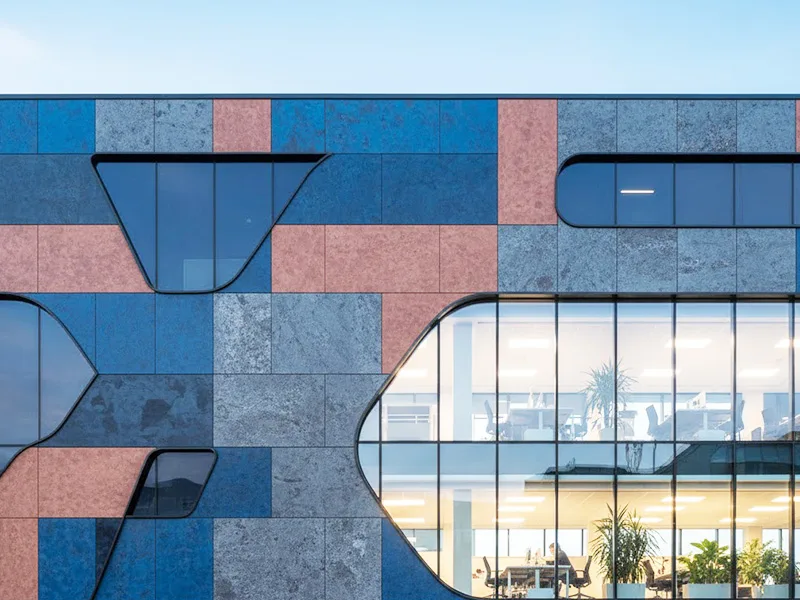
Design Flexibility
Supports color, material effect, and transparency choices for different facade concepts.
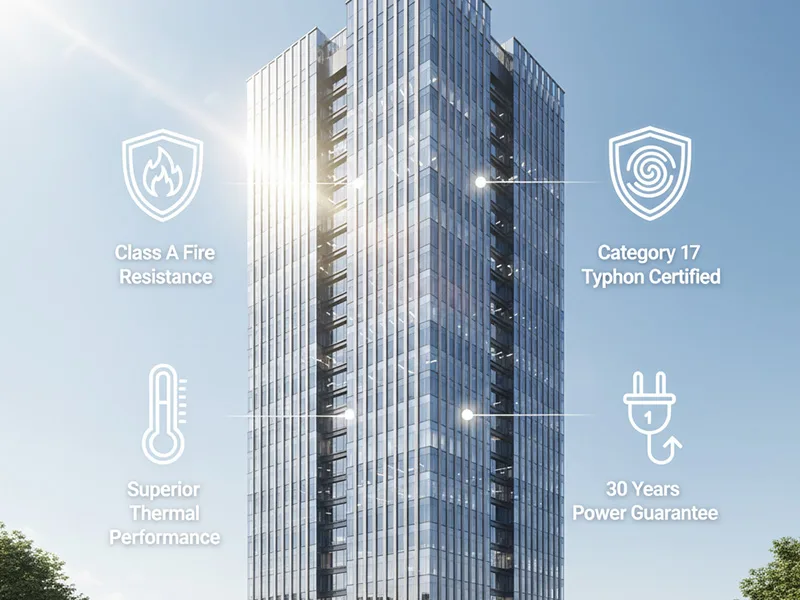
Stable Project Logic
Built around envelope integration, mounting compatibility, and practical project review.
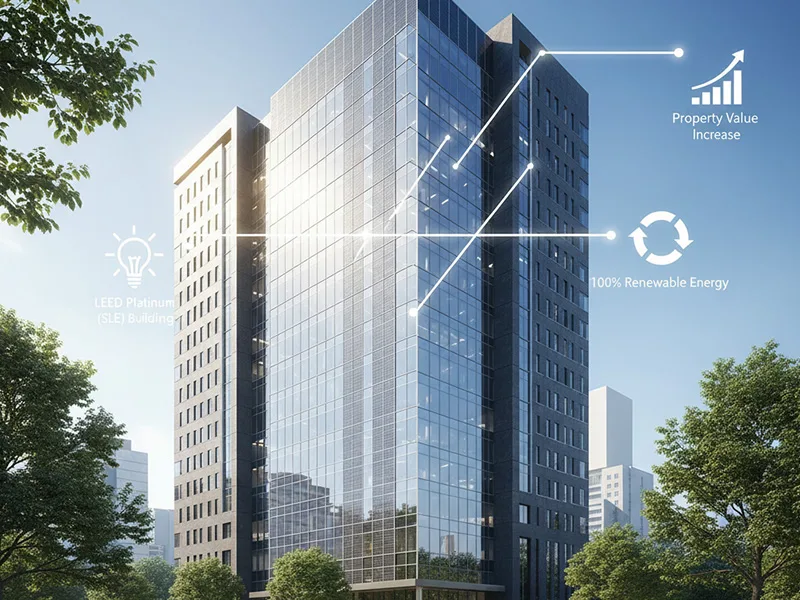
Smarter Path to Green Certification
Helps projects align facade-level sustainability value with visible building performance goals.
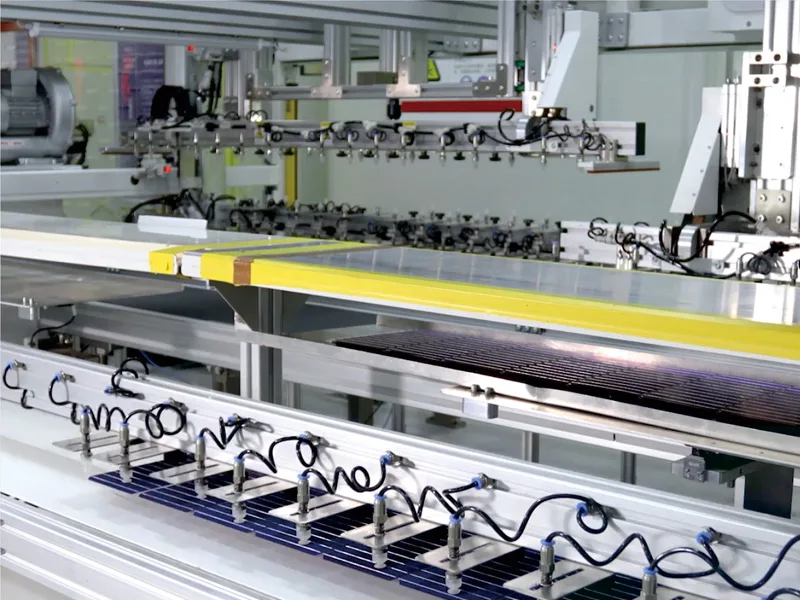
Industrial-Grade Reliability
Supports project-based communication, production, and route-level technical coordination.
Frequently Asked Questions About BIPV Facade System
These questions reflect the issues that usually appear before a facade-integrated project moves into detailed technical review and quotation. At this stage, the main concerns are route fit, appearance, performance, and what information is needed for a meaningful project discussion.
What is the difference between a BIPV facade system and standard facade cladding?
Can BIPV facades be used for branded or design-led buildings?
Are semi-transparent facade options available?
What information is needed to start a facade system review?
Are performance and approval issues reviewed before quotation?
Can a BIPV facade system be reviewed before full construction drawings are ready?
Discuss Your Facade Concept
Send us your building type, facade area, preferred visual direction, and drawings if available. Our team will review the project and recommend the most suitable BIPV facade route for technical discussion and quotation.
The most useful starting information usually includes facade use, approximate area, preferred appearance, transparency expectations if relevant, and any available elevations, sections, or concept drawings.