
BIPV System Solutions for Facade, Roof and Glass Projects
BIPV system is a building-integrated photovoltaic solution in which solar products become part of the building envelope rather than being added after construction. Depending on the project, the system may take the form of modules, facade systems, curtain wall solutions, customized photovoltaic glass, roofing systems, skylights, or solar carports.
BIPVSYSTEM helps architects, developers, facade consultants, and EPC teams understand which product path fits their project before moving into detailed technical review or quotation.
- BIPV System overview page built for product selection, not technical over-explanation
- Clear routes for modules, facade, curtain wall, glass, roofing, skylight, and carport projects
- Supported by product matrix, application logic, and representative project proof
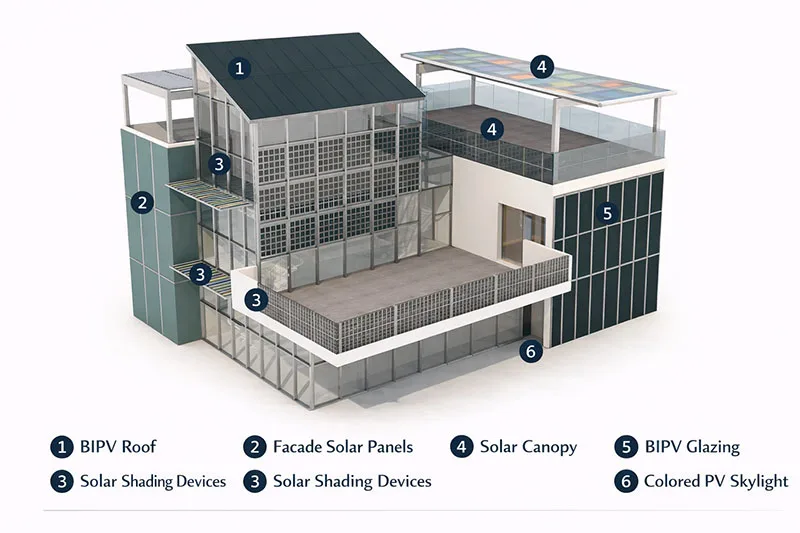
What a BIPV System Means in Real Projects
In practical terms, a BIPV system is not one single product. It is a project-based integration route made up of building-integrated photovoltaic products such as modules, facade systems, curtain wall glass, roofing solutions, and specialty envelope components. The system is defined by how these products work within the building envelope, not by electrical output alone.
That distinction matters because project teams do not review BIPV only as energy equipment. They review it as part of the facade, roof, glazing, or architectural skin. This changes how appearance, load, waterproofing, thermal behavior, transparency, installation fit, and long-term maintenance are evaluated across the project lifecycle.
At project level, the system route is usually determined by envelope position first, then refined through appearance goals, transparency needs, waterproofing logic, structural conditions, and installation strategy. This is why system selection needs to be framed around building use and integration method rather than around one isolated photovoltaic product.
Choose the Right BIPV System Route
Different building projects require different BIPV system routes. Some begin with modules as the core product layer. Others begin with facade expression, glazing strategy, roof integration, or parking canopy structure. In most cases, route selection starts from application position first, then moves into appearance, glass logic, waterproofing, or structural fit depending on the envelope condition.
For this reason, the system routes below should be read as project-entry paths rather than isolated product categories. Each one represents a different way of integrating photovoltaics into the building fabric, with its own priorities in appearance, weather resistance, transparency, structure, and use context.
BIPV Modules
Best for facade, roof, and project-customization routes where the building-integrated module itself is the core decision point. This route is usually the strongest entry when the project starts from product form, appearance options, or module-level specification.
BIPV Facade System
Best for office buildings, commercial exteriors, and branded developments that need facade expression, material replacement value, and photovoltaic function in one coordinated skin.
BIPV Curtain Wall System
Best for glass-based building envelopes where facade identity, enclosure performance, transparency logic, and on-site power generation need to work together.
Customized BIPV Glass
Best for transparency-led, glazing-led, or daylight-sensitive projects that require tailored glass structure, visual effect, and photovoltaic integration rather than standard opaque module routes.
BIPV Roof System
Best for pitched roof, industrial roof, and architectural roof projects where waterproofing, profile fit, and long-term roof value matter.
BIPV Skylight System
Best for atriums, walkways, and canopy roofs that need daylight, shelter, glazing logic, and photovoltaic function in one overhead system route.
BIPV Solar Carport System
Best for campuses, office parks, public facilities, and parking areas where shading, structural coverage, and on-site generation can be combined in one practical system.
BIPV System Product Family
A complete BIPV system offering is not limited to one product shape. It is built around a product family that can respond to different architectural, structural, and daylight requirements. At the system level, that means the project team should be able to move between standard modules, decorative routes, transparent glass options, roofing integrations, and specialty applications without losing the overall building logic.
These routes should not be read as isolated products. They are different product expressions within one broader BIPV system logic. The same system family may shift from opaque facade modules to transparent glass, or from roof-integrated products to specialty envelope surfaces, depending on the project brief.
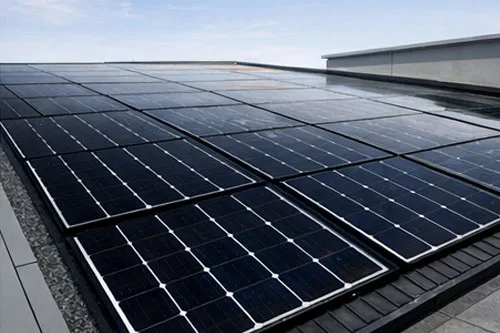
Standard BIPV Modules
Used for facade, roof, and general envelope integration where the project needs a durable building-integrated photovoltaic product layer.
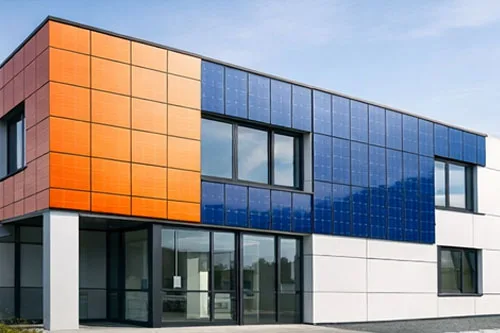
Colored BIPV Routes
Suitable for branded facades, design-led buildings, and commercial projects that need stronger visual differentiation than conventional photovoltaic products can provide.
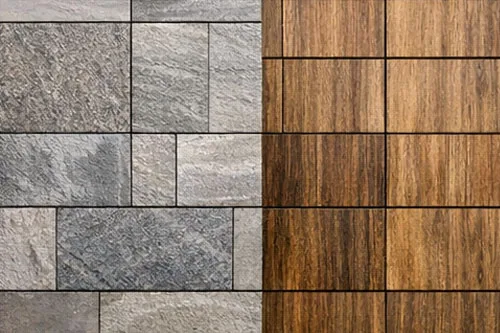
Stone-Look and Decorative Routes
Useful when the building requires a photovoltaic material that feels closer to architectural cladding or decorative surface rather than a conventional solar panel.
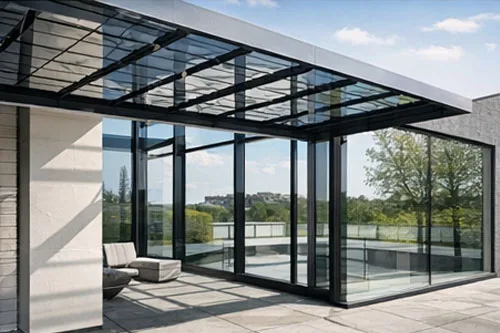
Transparent and Semi-Transparent Routes
Appropriate for glazing-led, daylight-oriented, and semi-open applications where appearance and light transmission need to be balanced with photovoltaic performance.
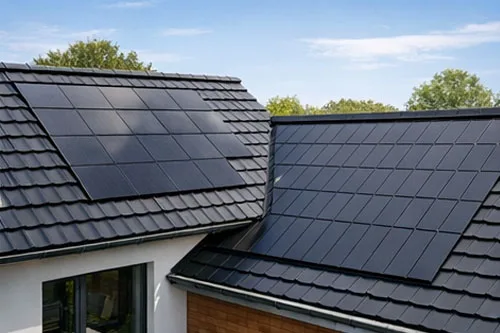
Roof Tile and Metal Roofing Routes
Supports both architectural roof projects and industrial roofing routes depending on profile, waterproofing logic, and building use.
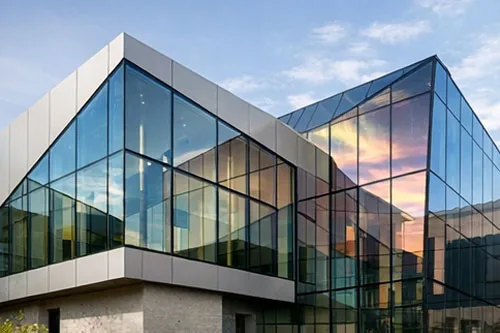
Custom Glass and Specialty Envelope Routes
Useful for curtain wall, skylight, canopy, and special building surfaces that need project-specific transparency, structure, or visual effect.
Typical Building Applications for BIPV Systems
BIPV systems should be understood by application position as well as by product type. In real projects, the envelope location often determines the system route more clearly than the product name itself. A facade-led project may need a very different system logic from a roof-led or glazing-led project even if both use photovoltaic products.
At application level, the main decision is usually not whether the project uses photovoltaic products in general, but how those products become part of the building surface. That is why facade, curtain wall, roof, canopy, and specialty-envelope conditions should be reviewed as different BIPV application routes.
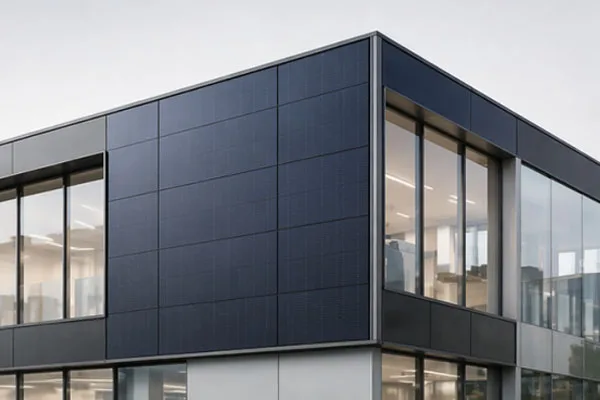
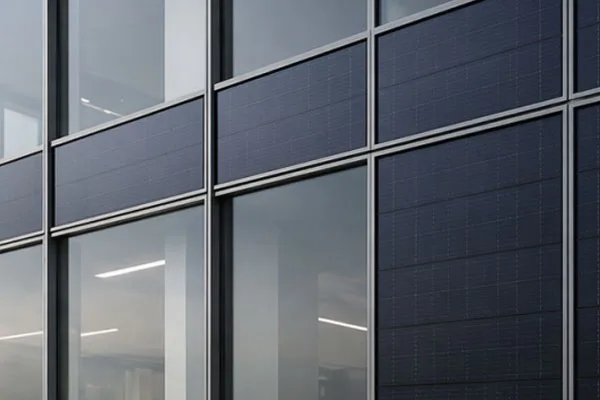
Facade and Cladding Systems
Used where the exterior skin is expected to combine architectural identity, material replacement value, and on-site power generation.
Curtain Wall and Glazing Systems
Used where transparency, glass build-up, enclosure performance, and photovoltaic integration must be reviewed together.
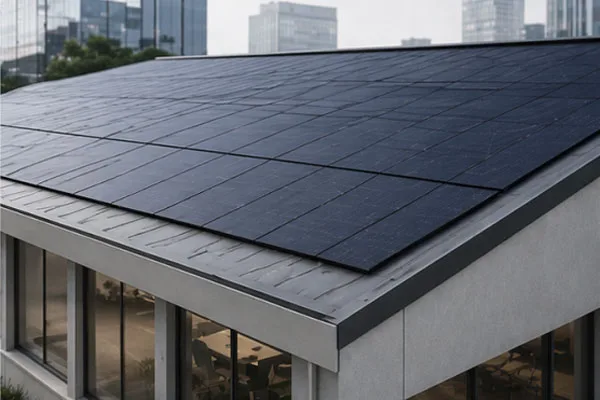
Roof and Canopy Systems
Used where roof profile, waterproofing, installation logic, and long-term weather resistance are the main priorities.
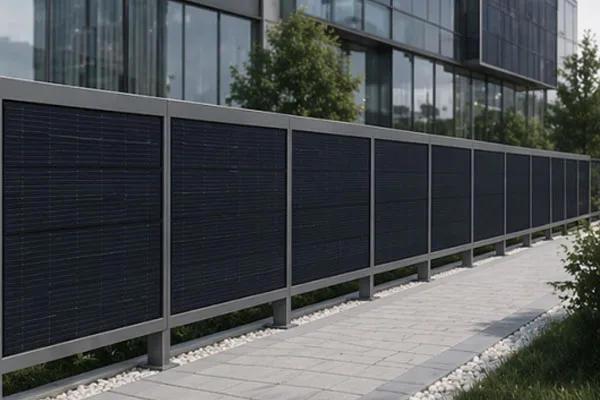
Specialty Envelope Systems
Used in barriers, fences, semi-open structures, and other architectural surfaces where standard rooftop PV is not the right fit.
Quick Technical Snapshot
This section is not intended to replace the detailed parameter tables on individual product pages. Its purpose is to give project teams a quick technical reference so they can better understand the typical performance range, customization direction, and envelope variables within the wider BIPV system family.
Detailed specifications belong on the corresponding product pages, but system-level evaluation begins by understanding which technical variables matter most for the chosen route. That is why the table below is structured as a route-reading guide rather than as a complete datasheet.
| Technical Topic | How It Should Be Read at System Level |
|---|---|
| Module Power Range | Power varies by system route, transparency, and application. Opaque routes typically prioritize output, while transparent routes balance daylight and generation. |
| Transparency Routes | Opaque, semi-transparent, and transparent paths exist across system families depending on glazing need, privacy, and visual openness. |
| Glass and Build-Up Options | Glass structure should be selected according to facade, curtain wall, skylight, or custom glazing conditions rather than from one fixed standard. |
| Load and Envelope Review | Static load, panel size, thickness, support logic, and waterproofing all vary by system route and project geometry. |
| Warranty and Support | Warranty, QC, technical files, and approval support should be reviewed according to product route and target market. |
Proven in Real BIPV System Projects
Project references are important because they prove that the BIPV system family is not only conceptual. They show how different product routes have already been translated into real facade, roof, glass, and canopy conditions. For a systems hub page, the goal is not to show every project. It is to demonstrate the breadth of system capability across representative application types.
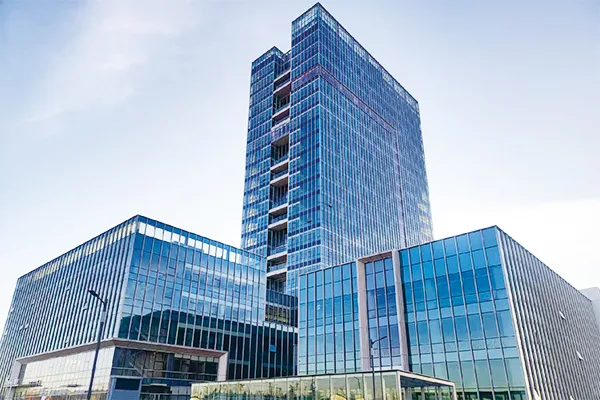
Facade and Curtain Wall Proof
Fit: Commercial / public facade
Demonstrates glass-led and facade-led BIPV system routes for commercial and public buildings that need visible sustainability and envelope value.
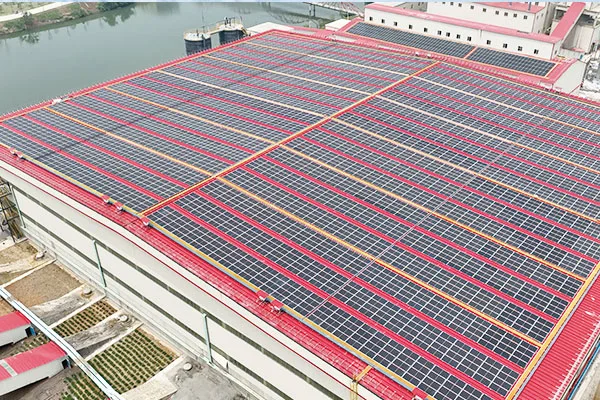
Roof System Proof
Fit: Industrial / institutional roof
Shows that roof-integrated BIPV can support both architectural roofs and large-area industrial or institutional roofing strategies.
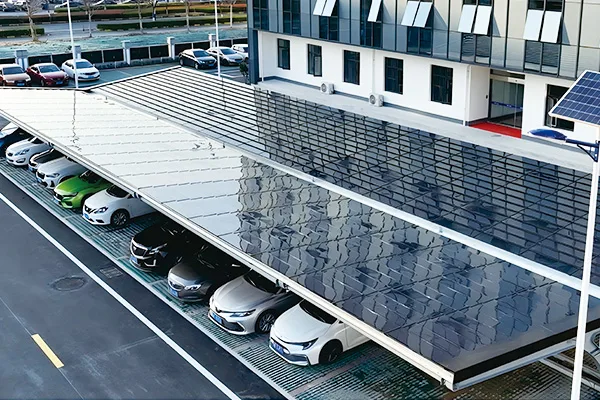
Carport and Specialty Proof
Fit: Campus / public / specialty use
Confirms that BIPV systems can extend beyond traditional facades and roofs into parking canopies and other specialty envelope routes.
Why Work With BIPVSYSTEM
A complete BIPV system supplier must support more than product supply. In real building projects, product route selection, customization review, technical file preparation, sample discussion, and quotation coordination often need to move together rather than separately.
Product Family Depth
Modules, facade systems, custom glass, roofing, skylights, and carports within one system framework.
Customization Support
Color, transparency, dimensions, glass build-up, and application-specific review across different system paths.
Project-Oriented Technical Support
Useful for architects, developers, facade consultants, and EPC contractors who need early-stage clarity.
Documentation and QC Support
Support for technical references, product communication, and project-based quality review.
Frequently Asked Questions About BIPV System
The following questions reflect the issues that often appear before a project team chooses a system route. At this stage, the main concern is not full technical theory, but route fit, product direction, and what should be prepared for a more meaningful project discussion.
What is the difference between a BIPV system and a standard PV installation?
How do I know whether my project needs modules, facade, glass, or roofing route?
Can one building combine more than one BIPV system route?
What project information is needed to start system selection?
Do you support customization and technical review before quotation?
Get BIPV System Review
Submit the building type, application position, project drawings, and market requirements if available. The next step should identify the right BIPV system route, confirm the main customization variables, and move the project toward technical review and quotation.