
BIPV Curtain Wall Systems for Modern Building Facades
Custom BIPV curtain wall systems for commercial, public, and design-led building facades
BIPVSYSTEM provides custom BIPV curtain wall systems for commercial, public, and design-led projects that require facade performance, architectural consistency, and on-site power generation in one integrated envelope solution.
Our photovoltaic curtain wall solutions are designed for project teams that need more than conventional enclosure systems. They help combine facade design, building-envelope performance, and long-term energy value within one coordinated curtain wall strategy.
- Glass-based curtain wall integration instead of add-on facade solar
- CE TÜV CQC ISO9001
- Custom size, transparency, color, and glass structure options
- Specification-ready support for architects, developers, and EPC teams
Linear Power Warranty Coverage
R&D and Patent Portfolio
Project Experience
QC and Inspection Workflow
Why Choose a BIPV Curtain Wall System
BIPV curtain wall system is chosen when the facade needs to do more than provide enclosure. It becomes part of the building’s architectural identity, sustainability strategy, and on-site energy concept at the same time.
Unlike a conventional curtain wall that serves only enclosure and appearance, a photovoltaic curtain wall adds another layer of long-term project value. It allows the facade to contribute to energy generation while still supporting architectural consistency, envelope performance, and integrated building design.
💡 Why Project Teams Consider This Route
Research published in Renewable & Sustainable Energy Reviews (Shukla et al., 2017) found that BIPV facades can offset between 25%–70% of a commercial building’s annual electricity consumption, depending on orientation, latitude, and panel transparency level.
We’ve seen clients come to us after being sold “BIPV” by vendors who were simply strapping standard PV modules onto a unitized frame. That’s BAPV — Building-Added Photovoltaics — and the difference is not just semantic. It affects structural load calculations, fire ratings, insulation performance, and frankly, it looks different too.
Building Material Replacement
Building-integrated photovoltaics should be discussed as a material replacement strategy rather than an add-on solar upgrade. That shift affects facade design logic, structural load path, waterproofing coordination, maintenance planning, and the overall visual result of the building envelope.
Facade Identity
A BIPV curtain wall helps project teams balance facade identity with practical power generation. It supports transparency control, color customization, and project-specific appearance while still delivering meaningful energy value for commercial and public buildings.
More Useful Early-Stage Coordination
For architects, developers, and EPC teams, the value of this system begins early. Product selection, facade drawings, specification review, and quotation support need to be connected from the first stage of project evaluation.
What the BIPV Curtain Wall System Includes
A BIPV curtain wall system is a building-integrated photovoltaic facade solution in which photovoltaic elements become part of the curtain wall itself. Instead of mounting standard solar panels onto a completed building, the solar function is integrated directly into the facade material and glazing strategy.
Curtain Wall Integration Through Photovoltaic Glass
Photovoltaic elements are integrated into the curtain wall glazing strategy instead of being treated as rooftop-style framed modules. This makes the system more suitable for projects that require both facade consistency and integrated energy generation.
Custom Glass Build-Up
Front glass, interlayer, photovoltaic cells, rear glass, edge sealing, cable routing, and visual appearance can all be adapted to the project brief, facade rhythm, and target performance requirements.
Key Project Inputs for Early Evaluation
To begin evaluation, the project team usually shares facade drawings, bay spacing, approximate area, target appearance, transparency range, project location, and any market-specific approval requirements.
Support Scope from BIPVSYSTEM
BIPVSYSTEM supports product matching, specification review, layout discussion, quotation preparation, and production coordination for overseas facade projects.
Key Technical Parameters for Curtain Wall Projects
The following values are reference specifications for project discussion. Final electrical and envelope performance should be reviewed against site irradiance, facade orientation, shading conditions, and project-specific system design.
| Parameter | Standard Range |
|---|---|
| Reference size | 1805 × 1150 × 14.4 mm |
| Component weight | 67.5 kg (±0.5) |
| Junction box | IP67 / 68 |
| Output cable | 4 mm², 1100 mm |
| Linear power warranty | 30 years |
| Cell type | Monocrystalline N-type |
| Front glass | Ultra-clear tempered glass |
| Back glass | Tempered glass |
| Static load | 5400 / 2400 Pa |
| Encapsulation | PVB |
| Material and workmanship warranty | 10 years |
| Frame | Frameless |
| U-value | 1.1 W/(m²·K) |
| SHGC | 0.23 |
Customization for Curtain Wall Projects
Customization is one of the main reasons project teams choose a BIPV curtain wall system. In many facade projects, architectural expression and long-term operational value need to be considered together rather than separately.
Size & Bay Spacing
Panel dimensions should be coordinated with project drawings, facade grid spacing, and installation logic to improve visual consistency and reduce unnecessary material waste. The current customization range can be reviewed according to project size and facade layout.
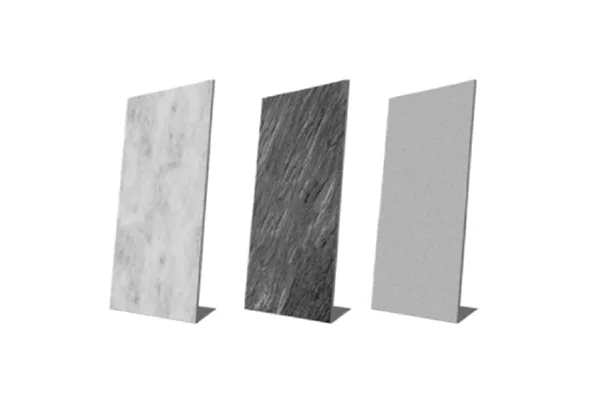
Color & Visual Expression
Color customization supports facade identity, architectural branding, and design differentiation. Because deeper tones may reduce solar transmittance, color selection should always be reviewed together with expected output and facade intent.
Transparency & Daylight Strategy
Transparency levels should be selected according to facade function, privacy needs, daylight goals, and desired visual effect. Transparent and semi-transparent routes can both be developed depending on the building program and project brief.

Proven in Real BIPV Curtain Wall Projects
For curtain wall projects, visual proof matters as much as technical data. Project teams want to understand how integrated photovoltaic facades look in real buildings, what performance range they can expect, and how similar solutions have been applied in practice.
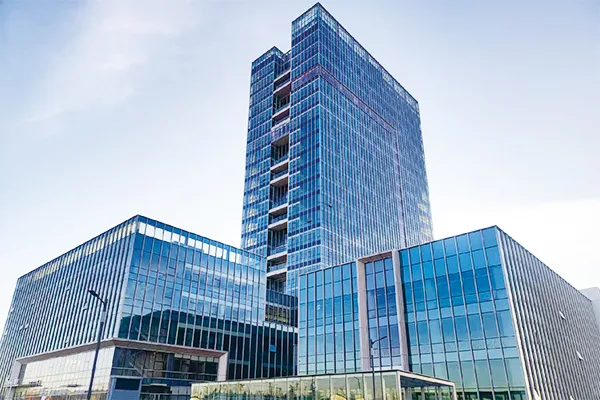
Government Office Building Curtain Wall Project
Light transmittance
78%
Power (Wp/m²)
125W
Cost recovery period
≈ 12 years
This project shows how facade transparency and public-building image can be balanced with on-site power generation.
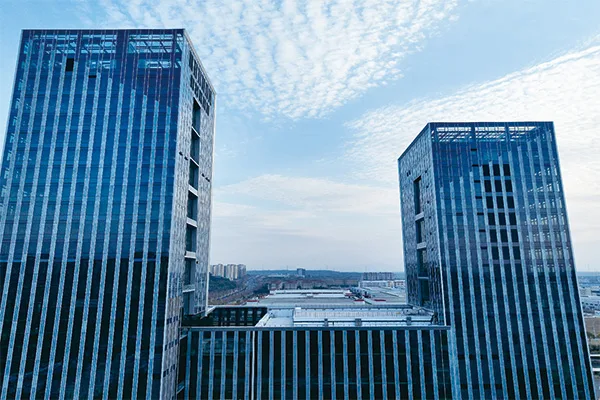
Twin Towers Office Building Curtain Wall Project
Light transmittance
82%
Power (Wp/m²)
140W
Cost recovery period
≈ 11 years
This reference demonstrates how a curtain wall system can support both skyline identity and long-term building value in large commercial projects.
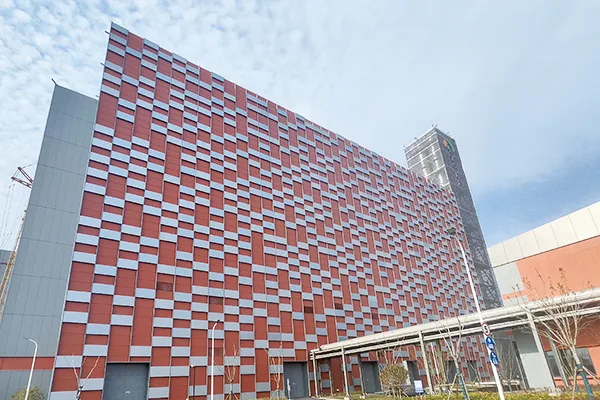
Shopping Mall Colored BIPV Facade Project
Light transmittance
74%
Power (Wp/m²)
135W
Cost recovery period
≈ 12 years
This case proves that customized color routes can support facade branding while maintaining photovoltaic functionality.
Performance and Compliance Considerations
In real curtain wall projects, decision-makers do not review electrical performance alone. They also need to understand how a photovoltaic facade solution fits wider building-envelope, compliance, and approval expectations.
Waterproofing & Drainage
Waterproofing in a BIPV curtain wall should be reviewed together with cable routing, frame drainage, joint sealing, and facade assembly logic. In project practice, these layers work as one coordinated envelope system rather than separate disciplines.
Fire Review
Fire review should begin early in the curtain wall design stage. For BIPV applications, glazing strategy, facade compartmentation, and system integration need to be considered together to support specification and approval work.
Wind Load & Weight
Panel size, glass build-up, module weight, and curtain wall span all affect structural compatibility. These variables should be checked against the facade grid and project-specific load path from the beginning.
Thermal & Envelope Performance
U-value and SHGC should remain part of the facade decision process, especially in projects where daylight, thermal control, and long-term envelope performance are reviewed together.
Curtain Wall Module Structure and Power Generation Logic
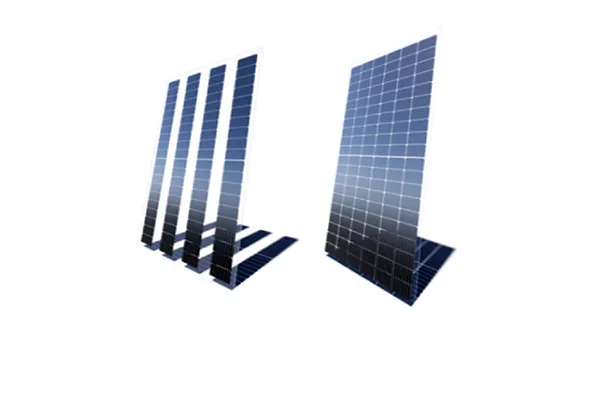
A BIPV curtain wall module typically combines ultra-clear front glass, photovoltaic-grade interlayer materials, monocrystalline cells, rear glass, edge sealing, and concealed cable routing within one coordinated glazing assembly. This structure allows the module to function as part of the facade while also generating electricity on site.
- Front glass: ultra-clear tempered glass for daylight and facade durability
- Photovoltaic interlayer: engineered for structural and electrical integration
- Cell route: monocrystalline photovoltaic cells for reliable output
- Rear glass: tempered or heat-strengthened glass depending on system design
- Edge sealing: coordinated sealing route for envelope performance
- Cable routing: concealed cable exit for cleaner facade integration
5-Step Project Workflow for Curtain Wall Evaluation
BIPVSYSTEM works as a project-facing supply partner for overseas building teams. Our role is to help move projects more efficiently from facade concept and product evaluation to technical review, sampling, and supply discussion.
1. Submit Design Brief
Share the building type, facade elevation, approximate area, preferred appearance, transparency target, project location, and any known market requirements.
2. Engineering Review
Our team reviews module layout, facade compatibility, estimated yield, and key structural or electrical considerations based on the project brief.
3. BIM / IFC Support
Where needed, coordination-ready model data can be prepared to support project discussion and system alignment.
4. Sample Confirmation
Color samples, glass appearance, and small functional sample units can be reviewed before final production confirmation.
5. Production & Delivery
After technical confirmation, the project moves into production planning, quality control, packaging, and delivery coordination for overseas supply.
Frequently Asked Questions About BIPV Curtain Wall
What is the difference between a BIPV curtain wall and a conventional curtain wall?
Can BIPV curtain wall be customized for different facade rhythms and module sizes?
Is BIPV curtain wall only suitable for iconic landmark projects?
What documents are needed for an initial quotation?
Do you support specification and project communication, or only product supply?
How should daylight, transparency, and power output be balanced?
Start Your BIPV Curtain Wall Project with a More Useful Product Discussion
BIPVSYSTEM focuses on building-integrated photovoltaic systems for facades, roofs, curtain walls, custom glass, and project-oriented architectural applications.