
BIPV Solutions for Commercial, Industrial and Architectural Projects
BIPVSYSTEM provides project-based BIPV solutions for buildings that need solar generation to work as part of the building envelope. Instead of treating photovoltaic products as add-on panels, we help project teams select suitable facade, curtain wall, roof, glass, carport, and specialty surface routes according to real project conditions.
From early-stage route selection to product customization, technical documentation, production review, QC, and quotation support, BIPVSYSTEM helps architects, developers, EPC contractors, and overseas project buyers move from concept to practical BIPV system review.
- Project-based BIPV solution routes for commercial, industrial and public buildings
- Facade, curtain wall, roof, glass, carport and specialty surface options
- Support for architects, developers, EPC contractors and overseas project buyers
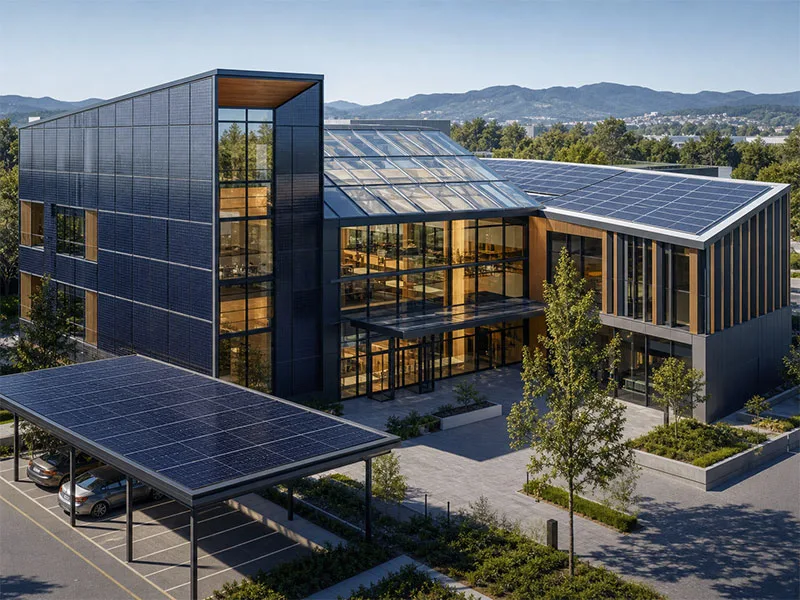
Facade
Roof
Glass
Project
Choose the Right BIPV Solution Route
BIPV solution should not be selected only by product name. The right route depends on the building type, envelope position, visual target, structural conditions, project stage, and approval requirements. A commercial facade, an industrial roof, a skylight, and a parking canopy do not need the same BIPV system.
BIPVSYSTEM helps project teams review these conditions and connect them with suitable product routes. This makes the Solutions section different from a simple product catalogue: it is designed to guide project decisions before detailed quotation begins.
A BIPV solution should be reviewed as part of the building envelope, not as a solar product added after the building design is complete. The right route depends on where the system is installed, what the project needs to achieve, and which technical constraints must be solved.
Building Type Review
Commercial buildings, industrial sites, public projects and campuses often require different BIPV routes and different decision priorities.
Envelope Position Review
Facade, curtain wall, roof, skylight, canopy and parking areas should be reviewed according to their technical and visual role.
Buyer Role Review
Architects, developers and EPC contractors need different information before they can move a BIPV project forward.
BIPV Solutions by Project Need
Start with the building type if your project already has a clear use case. Each solution route connects project needs with recommended BIPV systems and the information needed for early-stage review.
Commercial Buildings
BIPV for Commercial Buildings
For offices, shopping malls, hotels, public buildings and mixed-use projects that need facade value, ESG expression, roof integration or parking-area generation.
View Commercial Building Solution
Industrial Sites
BIPV for Industrial Buildings
For factories, warehouses, logistics parks and industrial campuses that need roof routes, lightweight panels, carports or large-area system review.
View Industrial Building Solution
Project Support Route
Project Support Route
For project teams that need support from system route selection and customization to documentation, production review, QC, and quotation preparation.
View One-Stop Solution
BIPV Solutions by Buyer Role
Different project roles evaluate BIPV from different angles. A design team may focus on appearance and material expression, while an EPC team needs documentation, supply coordination and quotation readiness. These pages help each role move faster toward the right system route.
BIPV for Architects
Design support for facade, roof, and glass routes, including color, transparency, pattern, dimensions, and technical documentation for early-stage design review.
BIPV for Developers
Project value review for developers and building owners, including asset image, ESG expression, route options, cost variables, and project risk considerations.
BIPV for EPC Contractors
Procurement and delivery support for EPC teams, including product matching, datasheets, QC references, packaging, and project-based quotation inputs.
Product-to-Solution Matching
If you already know the project need, use the following guide to move from project condition to recommended BIPV route. Detailed parameters should be reviewed on the corresponding System page before quotation.
| Project Need | Recommended BIPV Route | Best Starting Page |
|---|---|---|
| Commercial facade value, exterior identity and visible sustainability | BIPV Facade System / BIPV Curtain Wall | BIPV Facade System |
| Curtain wall, architectural glass and premium envelope expression | BIPV Curtain Wall / Customized BIPV Glass | BIPV Curtain Wall |
| Roof-integrated generation for pitched, metal or commercial roofs | BIPV Roof System | BIPV Roof System |
| Daylight, transparency, skylight, atrium or canopy applications | Transparent Photovoltaic Panels / Customized BIPV Glass | Transparent Photovoltaic Panels |
| Parking coverage, shade and on-site generation | BIPV Solar Carport System | BIPV Solar Carport |
| Low-load roofs, curved surfaces or specialty building surfaces | Lightweight Solar Panels | Lightweight Solar Panels |
What BIPVSYSTEM Supports
BIPVSYSTEM supports BIPV projects from route selection to product customization, documentation, manufacturing communication, QC, packaging, and quotation preparation. Our role is to help project teams move from a building requirement to a practical BIPV system route.
- Product route review based on facade, roof, glass, carport or specialty surface conditions
- Customization support for size, color, transparency, pattern and glass structure
- Technical communication for datasheets, reference parameters and project requirements
- QC, packaging and delivery coordination for overseas project needs
- Quotation support based on drawings, area, target market and system route
Information That Helps Us Review Your Project
- Building type and project location
- Application position: facade, roof, glass, carport, skylight or canopy
- Approximate area and available drawings
- Visual requirements: color, transparency, texture, pattern or module rhythm
- Technical concerns: load, waterproofing, fire, wind, maintenance or documentation
- Target timeline or procurement stage
Facade and Curtain Wall Project Route
Shows how BIPV can support commercial building envelopes where exterior identity, building material logic, and photovoltaic value need to work together.
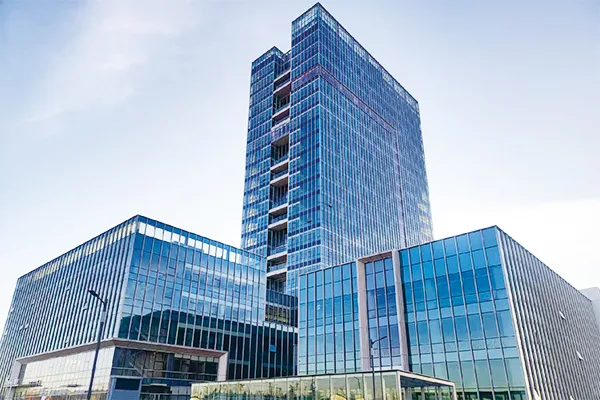
Facade and Curtain Wall Route
Shows how BIPV can support commercial building envelopes where appearance, system integration and photovoltaic value must work together.
Fit: Commercial facade
Proof: Envelope integration
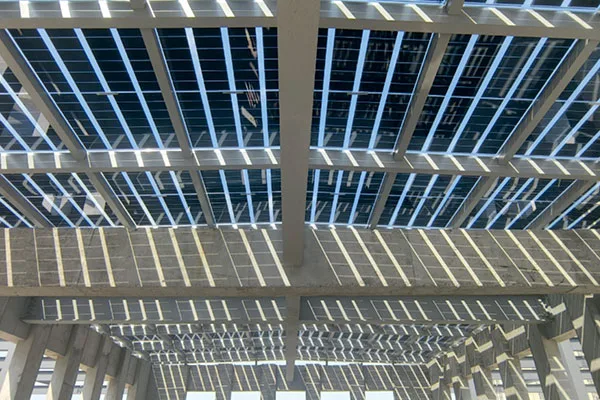
Roof and Industrial Building Route
Shows how roof-integrated BIPV and lightweight routes can support large-area building surfaces, industrial sites, and project-level energy use.
Fit: Roof / factory
Proof: Large surface value
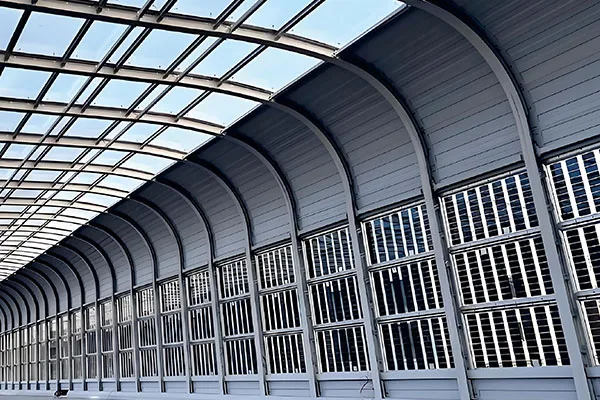
Glass, Canopy and Carport Route
Shows how BIPV can extend into parking, transparent glass, canopy and semi-open building applications.
Fit: Glass / canopy
Proof: Application range
From Project Requirement to BIPV Route Review
A good BIPV solution starts with the project condition, not with a random product recommendation. The following workflow helps project teams move from early idea to a more useful technical discussion.
1. Confirm Building Type
Commercial, industrial, public, residential or specialty building applications should be reviewed separately.
2. Define Application Position
Facade, curtain wall, roof, glass, canopy, skylight or parking area determines the system route.
3. Review Visual and Performance Target
Color, transparency, texture, module rhythm and visual expression affect product selection.
4. Check Technical Factors
Load, waterproofing, fire, wind, thermal behavior and maintenance access may affect feasibility.
5. Prepare Quotation Inputs
Drawings, area, location, project stage and required documents help us provide a more useful response.
Helpful Resources for BIPV Project Planning
These resources can help your team compare BIPV routes, understand key project factors, and prepare more useful information before starting a technical review with BIPVSYSTEM.
Frequently Asked Questions About BIPV Solutions
The following questions reflect the issues most often raised before project quotation and technical review begin. In many cases, buyers are not only asking about module output. They also want to know how BIPV modules differ from standard solar products, how far customization can go, which applications fit best, and what information is needed for a meaningful project discussion.
What is the difference between a BIPV solution and a standard solar panel system?
Which BIPV route should I choose for my project?
Can BIPVSYSTEM support customized BIPV projects?
What information should I send for a BIPV solution review?
Is BIPV suitable for both commercial and industrial buildings?
Start Your BIPV Solution Review
Send us your building type, application area, drawings if available, and your preferred BIPV route. Our team will review the project and recommend suitable facade, roof, glass, carport, or specialty system options for technical discussion and quotation.