
Transparent Photovoltaic Panels for Facade, Skylight and Canopy Projects
BIPVSYSTEM provides transparent photovoltaic panels for projects that require daylight transmission, architectural expression, and photovoltaic generation in one building-integrated route. Our transparent and semi-transparent panel solutions are developed for buildings that need more than opaque module performance and more project logic than a generic “solar glass” claim can provide.
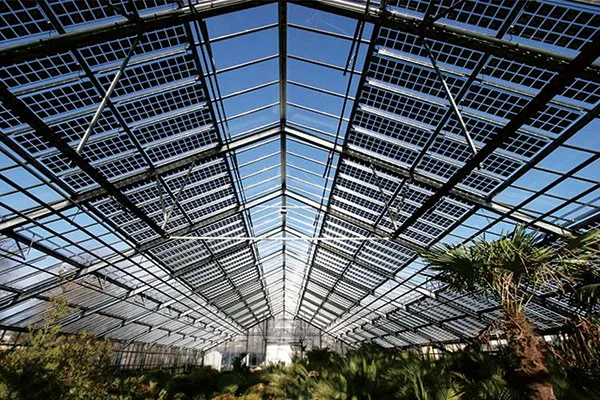
Our transparent photovoltaic panels are suitable for facades, skylights, canopies, atriums, and selected specialty envelope applications that require daylight transmission together with photovoltaic value. We support project-based customization across transparency level, glass structure, dimensions, and pattern logic so the route can match both design intent and technical requirements.
- Built for transparent and semi-transparent architectural BIPV routes
- Suitable for facade, skylight, canopy, and daylight-led building applications
- Project-based support for transparency selection, structure review, and quotation
Custom
Laminated / IGU
Structure Options
Facade / Skylight
Pattern Control
Why Choose Transparent Photovoltaic Panels
Search intent around transparent photovoltaic panels is not purely educational. Buyers usually want to understand what these panels really mean in projects, which applications they fit best, how transparency affects output, and whether the route can work as part of a real facade, skylight, or canopy system. That is why this page is positioned as a product route page rather than a broad technology article.
Compared with opaque module routes, transparent photovoltaic panels are chosen when daylight, openness, architectural effect, and photovoltaic function must work together. At BIPVSYSTEM, we position this route as a practical building-envelope solution rather than an unrealistic “fully clear solar window” concept.
Transparent photovoltaic panels are most valuable when they are selected as part of a coordinated glass and envelope route. The real decision is not whether the product is transparent in concept, but whether its transparency level, structure, and application logic fit the building well.
Daylight + Generation
Useful where the project needs controlled natural light and photovoltaic function in one route.
Architectural Glass Logic
Suitable for facade, skylight, and canopy applications that need more glass-like integration than opaque systems can provide.
Project-Specific Transparency
Transparency bands, dimensions, and visual pattern can be reviewed according to project goals rather than generic product assumptions.
What This Transparent Panel Route Includes
A transparent photovoltaic panel project usually requires more than a single panel choice. The route must coordinate photovoltaic cells, glass structure, laminated or insulated build-up, transparency ratio, framing logic, and the surrounding envelope system. That is why these products should be presented as a building route rather than as a generic “transparent solar product.”
For buyers, the key questions are practical: How transparent does the panel need to be? What is the acceptable trade-off between output and daylight? What structure fits the application best? Can the route work in a facade, skylight, or canopy project without creating late-stage coordination problems?
Laminated and Insulated Routes
Useful where structure, safety, and thermal targets differ by application.
Transparency Bands
Selected according to daylight strategy, privacy expectations, and visual openness.
Pattern and Visual Control
Cell spacing and visual rhythm can be coordinated with architectural intent.
Envelope Integration Logic
Framing, drainage, waterproofing, and adjacent building components all affect feasibility.
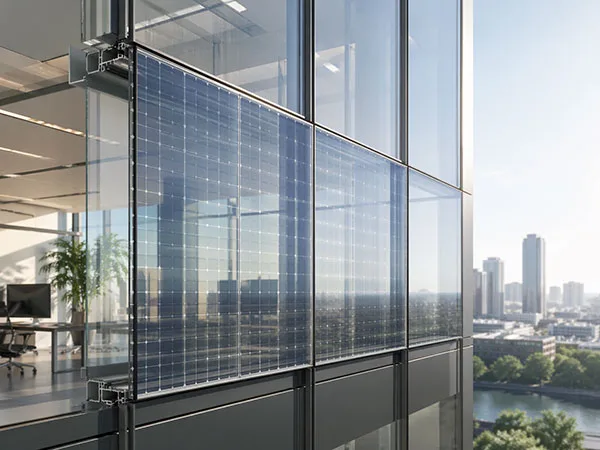
Facade transparency route
For visible facade integration with filtered daylight.
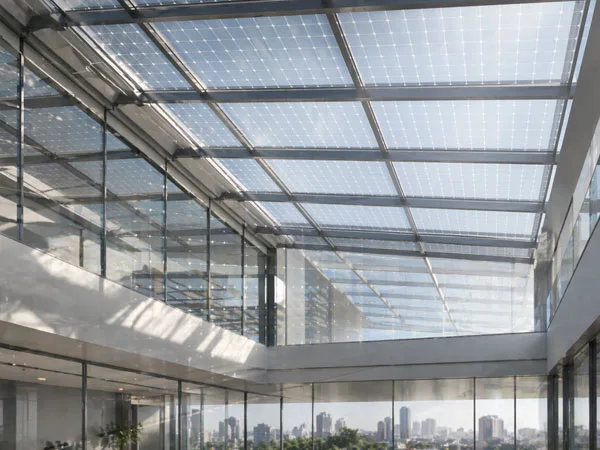
Skylight route
For overhead daylighting applications with photovoltaic value.
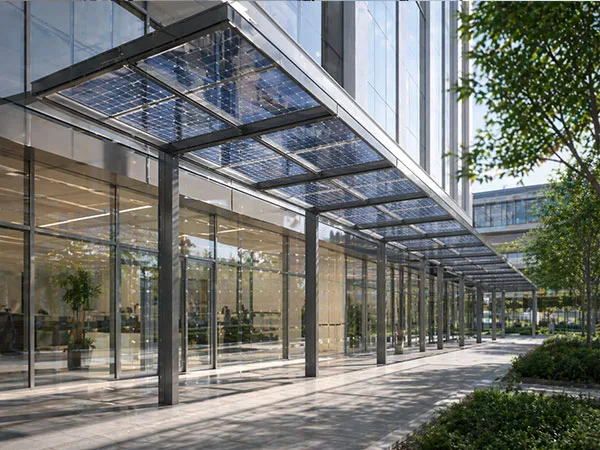
Canopy route
Transparent BIPV panel routes combine glass structure, photovoltaic function, and controlled transparency within one coordinated building application.
How Transparency Affects Output and Project Fit
Transparent photovoltaic panels should be selected with realistic performance expectations. As transparency increases, daylight transmission and visual openness can improve, but output per area usually changes as well. That does not make the route weaker. It makes the route more application-specific and more dependent on project goals.
In many of the higher-ranking landing pages for this keyword, the strongest emphasis is not on a single efficiency promise, but on application fit, glass structure, and the balance among transparency, shading, and generation. That is why this section is framed around project evaluation rather than headline wattage alone.
| Project Factor | How It Should Be Evaluated |
|---|---|
| Transparency Level | Selected according to daylight target, privacy expectations, and design openness. |
| Output Trade-Off | Judged together with architectural role and shading behavior, not as an isolated wattage number. |
| Glass Build-Up | Laminated or insulated structures should match facade, skylight, or canopy conditions. |
| Visual Pattern | Pattern design influences facade rhythm and interior light perception. |
| Envelope Coordination | Framing, drainage, waterproofing, and maintenance access all affect feasibility. |
Transparency Comparison Reference
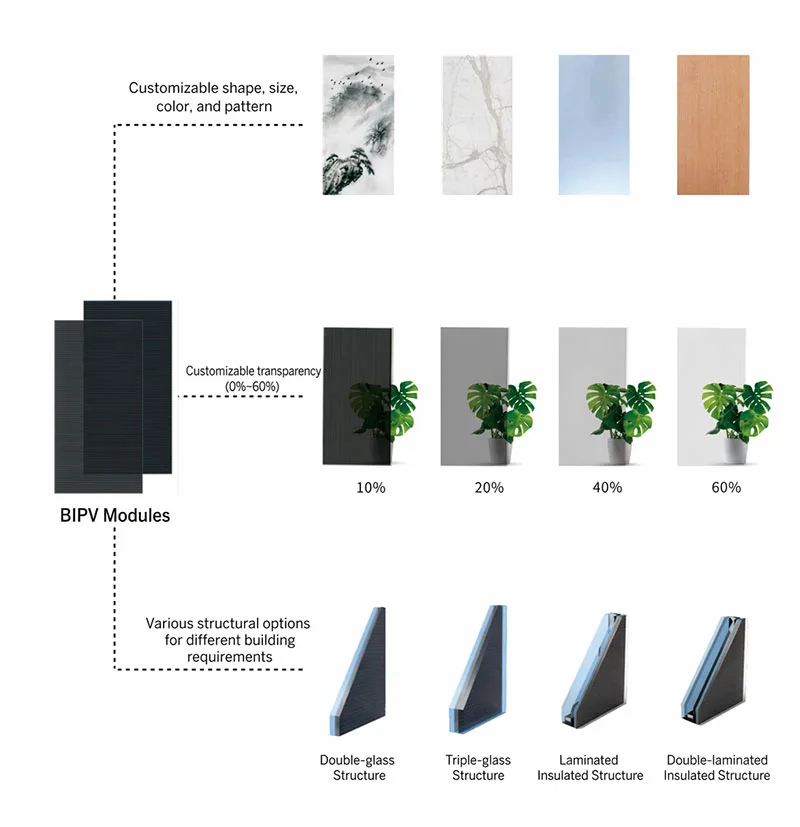
Best-Fit Applications for Transparent and Semi-Transparent Panel Routes
The strongest product and manufacturer landing pages for this topic usually anchor transparent photovoltaic panels to facade, skylight, canopy, and overhead glass uses. That pattern is commercially useful because it matches how buyers actually evaluate the product: by building application first, then by transparency and structure variables.
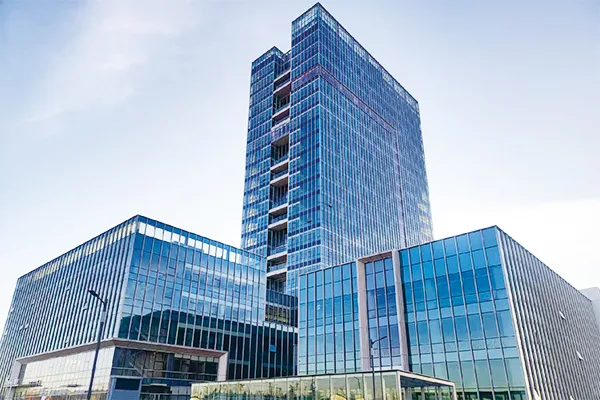
Commercial Facade Project
Suitable for facade routes where daylight control, design, and BIPV integration need to work together in one visible envelope.
Fit: Facade
Proof: Visual + energy balance
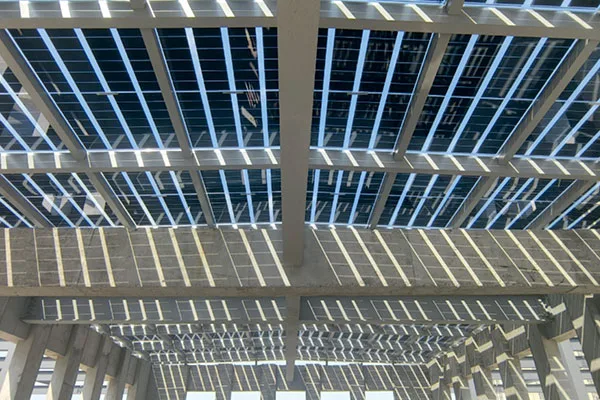
Skylight or Atrium Route
Useful for daylight-led overhead applications where transparency, shading, and output must be balanced carefully.
Fit: Skylight
Proof: Daylight + generation
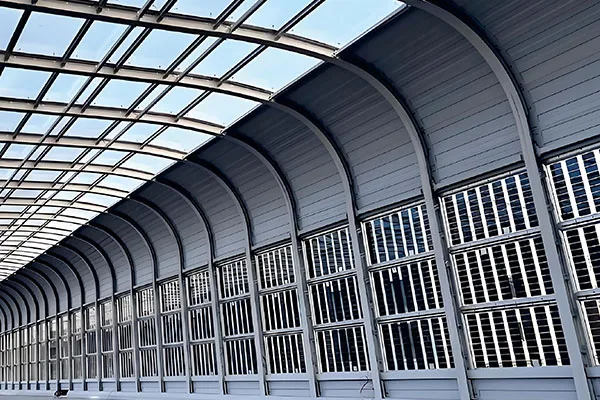
Canopy and Walkway Route
Supports entrance and canopy structures where semi-open protection and integrated energy value are both desirable.
Fit: Canopy
Proof: Functional transparency
What We Can Customize for Transparent BIPV Projects
Customization is one of the main reasons project teams choose transparent BIPV products. In many building projects, the route must align with facade rhythm, transparency expectations, glass structure, pattern logic, framing conditions, and required documentation. Standard products often cannot satisfy all of those conditions without compromising the project.
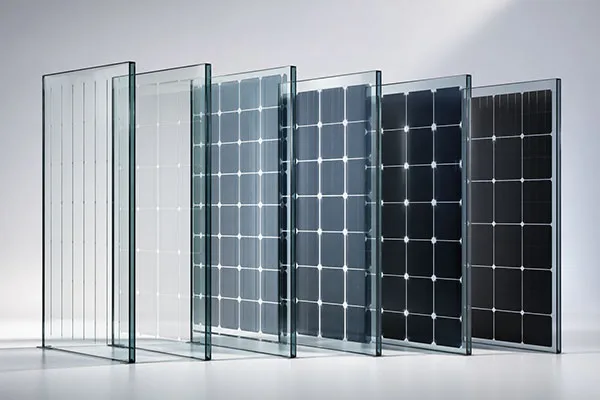
Transparency and Pattern
Useful for projects that need a specific visual openness, daylight effect, or facade rhythm rather than a generic glass appearance.
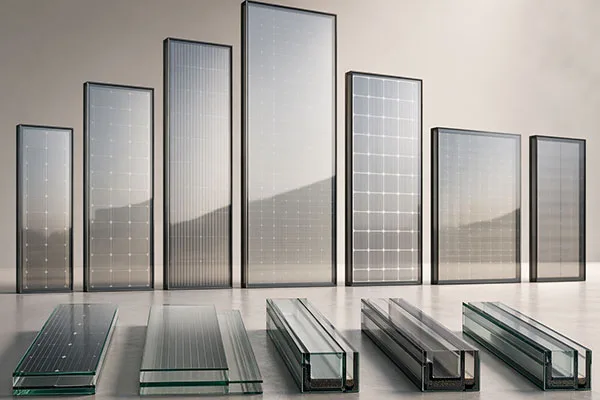
Dimensions and Glass Structure
Useful where the panel must fit project-specific framing, span, laminated build-up, or insulated-glass requirements.
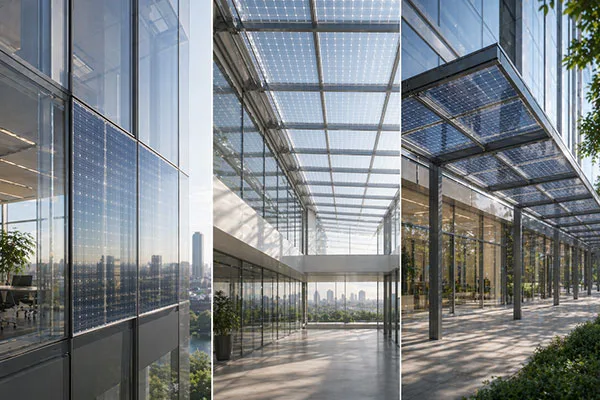
Application-Based Route Review
We support route selection according to facade, skylight, and canopy conditions rather than treating every transparent product as the same.
Frequently Asked Questions About Transparent Photovoltaic Panels
The following questions reflect the issues most often raised before project quotation and technical review begin. In many cases, buyers are not only asking about module output. They also want to know how BIPV modules differ from standard solar products, how far customization can go, which applications fit best, and what information is needed for a meaningful project discussion.
What is the difference between transparent and semi-transparent photovoltaic panels?
Are transparent photovoltaic panels suitable for facades, skylights, and canopies?
Does more transparency always mean lower output?
What information is needed to begin a transparent BIPV review?
Can transparent photovoltaic panels be customized for project-specific glass structures?
Discuss Your Transparent BIPV Project
Send us your facade, skylight, or canopy concept together with your transparency target, application area, and drawings if available. Our team will review the project and recommend the most suitable transparent photovoltaic panel route for technical discussion and quotation.
The most useful starting information usually includes transparency expectations, application area, target market, and any available elevations, sections, or concept drawings.