
Lightweight Solar Panels for Low-Load Roofs and Curved Building Surfaces
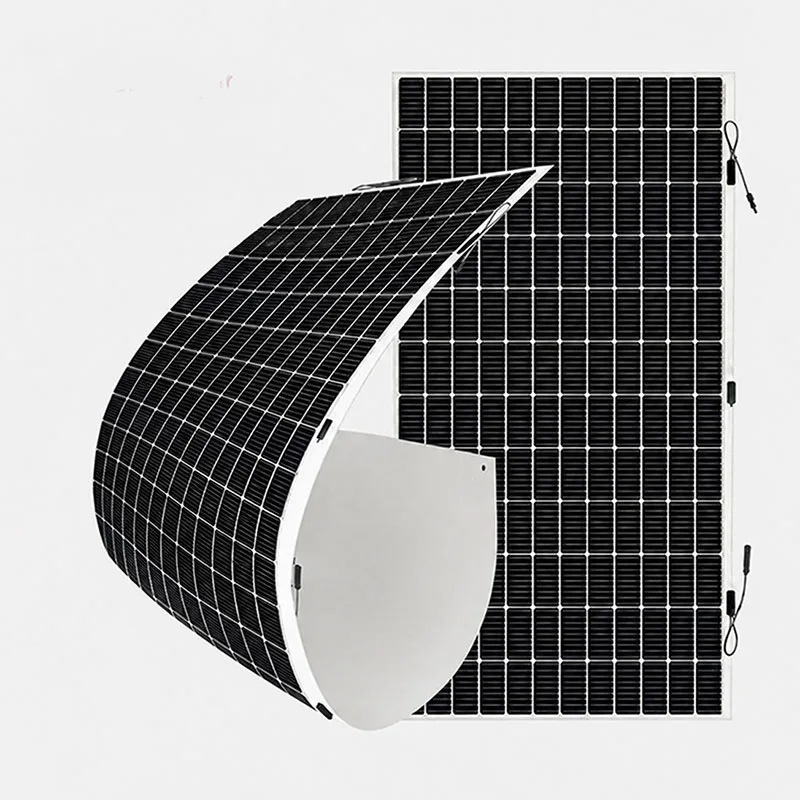
BIPVSYSTEM provides lightweight solar panels for projects where standard framed modules are not the best fit. These routes are used when weight limits, curved geometry, low-load roof conditions, or specialty surfaces make conventional panels less practical from a structural, installation, or appearance standpoint.
Our lightweight solar panel solutions are suitable for low-load roofs, curved roofs, metal surfaces, canopies, and selected specialty building applications where lower structural burden and wider form adaptability matter. We support project-based review across surface condition, layout, installation logic, and route selection so the system can match real project conditions instead of forcing the building into a standard panel format.
- Built for low-load, curved, and specialty building surfaces
- Useful where lighter routes are more practical than standard framed panels
- Project-based support for route selection, customization, and quotation
Commercial
Dominant search intent
Low-Load
Main structural value
Curved / Metal
Custom
Surface and route review
Why Choose Lightweight Solar Panels for Building Projects
Search intent around lightweight solar panels is strongly practical. A large share of current top-ranking results are product pages and manufacturer pages focused on flexible or ultra-light modules for roofs, RVs, marine use, and low-load structures. That pattern suggests users are often looking for a real product route rather than broad educational content.
For a BIPV manufacturer, the strongest way to use this keyword is not to imitate consumer portable-panel pages, but to turn lightweight solar panels into a building-oriented route: lower structural burden, better fit for curved or specialty surfaces, and cleaner integration where conventional framed panels create too much weight, too much rigidity, or too much installation complexity.
The strongest value of lightweight solar panels usually comes from project fit rather than from a single wattage headline. Buyers should judge whether a lighter route solves the roof or surface problem more effectively than a standard framed module.
Lower Structural Burden
Useful for projects where roof load or support limitations make heavier framed systems less practical.
Better Surface Adaptability
Suitable for curved or specialty surfaces where conventional framed modules create coordination or appearance issues.
Practical Building Fit
Useful where lighter weight, simpler interface, or better geometry response improves feasibility.
What This Lightweight Solar Panel Route Includes
Lightweight solar panels should be presented as a project route, not as a novelty product. Buyers need to understand how the route relates to load sensitivity, mounting method, geometry, waterproofing interface, and long-term durability. The route is most valuable when it solves a real building problem that standard panels cannot solve efficiently.
That is why these modules are best introduced by application logic: low-load roofs, curved roofs, metal surfaces, canopies, and specialty building zones where a lighter and more adaptable route can reduce constraints and improve project feasibility.
Curved and Specialty Surface Fit
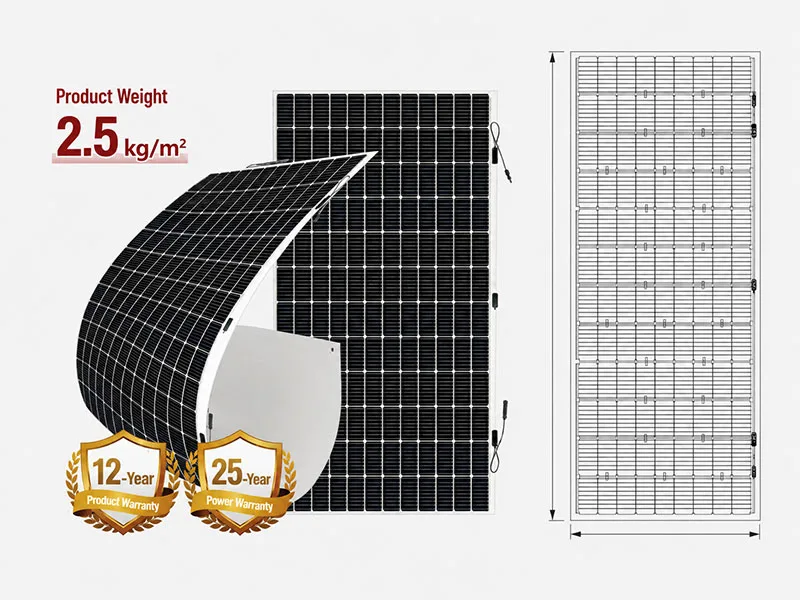
Suitable for building forms where rigid framed modules are too limited in geometry or installation response.
Low-Load Roof Route
Useful where the roof structure benefits from a lighter photovoltaic solution than standard framed modules.
Simplified Interface Logic
Useful for projects that need easier adaptation to metal, curved, or specialty building surfaces.
Project-Based Customization
Dimensions, surface fit, and route selection can be reviewed according to the real project instead of a fixed module assumption.
How to Evaluate Lightweight Solar Panel Fit
The following values can be used as a reference for early product review. Final module selection should still be checked against application type, facade or roof geometry, project location, and target market requirements.
For project teams, these parameters are most useful when they are read together with envelope use. Size affects facade rhythm and roof pattern. Weight affects structural compatibility and handling. U-value and SHGC matter when the module forms part of the thermal envelope. Static load and glass build-up matter when the module is reviewed as a building component rather than just an energy product.
| Project Factor | How It Should Be Reviewed |
|---|---|
| Weight Sensitivity | Check whether the building or roof benefits from a lighter route than conventional framed panels. |
| Surface Geometry | Review whether the route needs to follow a curved, irregular, or specialty form more effectively. |
| Interface Condition | Review how the module interacts with metal surfaces, lightweight roofs, canopies, or specialty envelope zones. |
| Durability Expectations | Match the route to outdoor exposure, maintenance access, and long-term use conditions. |
| Project Goal | Confirm whether the priority is lower load, easier fit, cleaner appearance, or specialty-surface integration. |
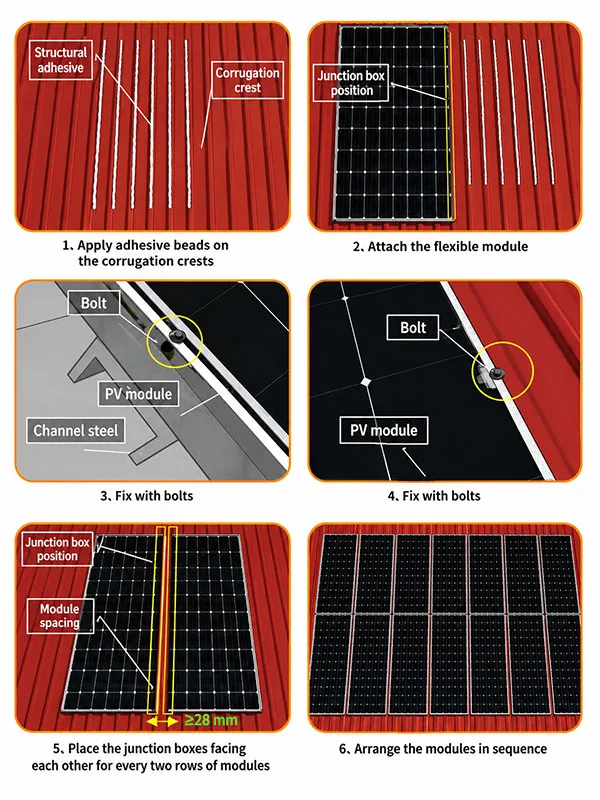
Lightweight Solar Panel Installation Process
Best-Fit Applications for Lightweight Solar Panel Routes
The most commercially relevant use cases for lightweight solar panels are surface-led rather than purely electrical. These routes are strongest in applications where conventional panels are difficult to use cleanly: curved roofs, lightweight roofs, metal surfaces, canopies, and specialty building zones where lower weight or better adaptability increases feasibility.
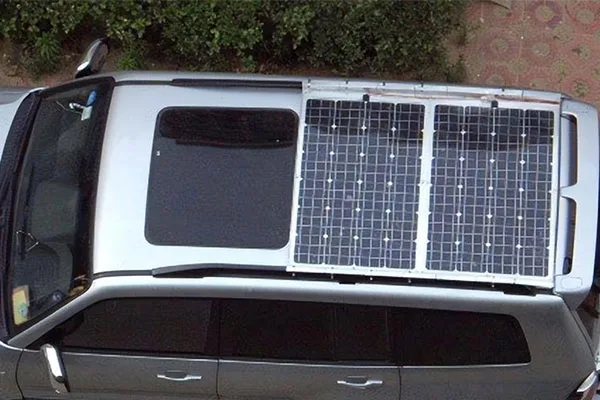
Curved Roof Project
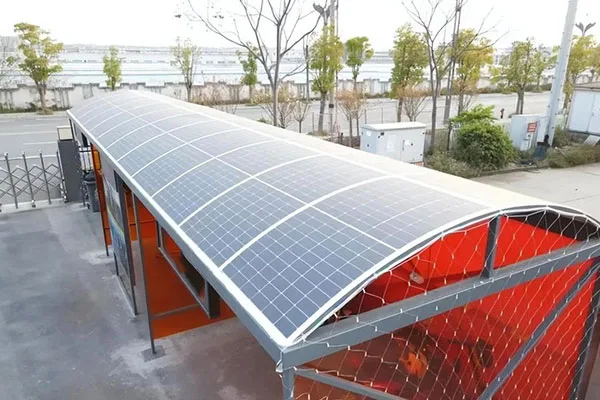
Suitable where the surface form itself makes rigid module installation more difficult or visually disruptive. This route is most useful when the building envelope needs a cleaner response to non-flat geometry.
Fit: Curved roof
Proof: Geometric adaptability
Low-Load Roof Project
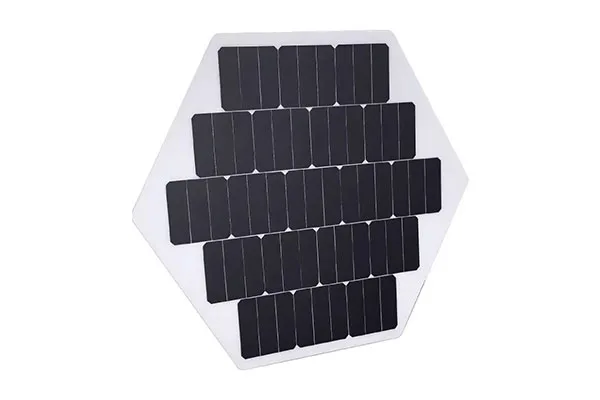
Useful where lower structural burden is part of the route decision and a lighter photovoltaic solution improves feasibility without pushing the roof toward a heavier framed system.
Fit: Low-load roof
Proof: Lower-weight route
Specialty Surface or Canopy Route
Supports selected canopy or non-standard surface conditions where a more adaptable lightweight route is needed and standard module geometry is too restrictive.
Fit: Specialty surface
Proof: Broader application range
What We Can Customize for Lightweight Solar Panel Projects
Customization matters because lightweight routes are usually selected for unusual conditions. Buyers are often not looking for a standard panel in a different wrapper; they are looking for a route that can respond to geometry, weight limits, installation logic, and the surrounding building surface more effectively.
Geometry and Surface Fit
Useful for projects where the module route must adapt more flexibly to roof form or specialty surface condition.
Project-Specific Dimensions
Useful where route selection depends on layout efficiency, span logic, or fit within a non-standard building zone.
Application-Oriented Review
We support lightweight route matching according to low-load, curved, metal, canopy, or specialty surface conditions.
Frequently Asked Questions About Lightweight Solar Panels
The following questions reflect the issues most often raised before project quotation and technical review begin. In many cases, buyers are not only asking about module output. They also want to know how BIPV modules differ from standard solar products, how far customization can go, which applications fit best, and what information is needed for a meaningful project discussion.
When should lightweight solar panels be chosen instead of standard framed panels?
Are lightweight solar panels only suitable for roofs?
Does a lightweight route always mean lower project value?
What information is needed to begin a lightweight solar panel review?
Can lightweight solar panels be customized for specialty building projects?
Discuss Your Lightweight Solar Panel Project
Send us your roof type, surface condition, approximate area, or concept drawings if available. Our team will review the project and recommend the most suitable lightweight solar panel route for technical discussion and quotation.