
BIPV Solutions for Commercial Buildings
For office towers, hotels, malls, headquarters, campuses, and public buildings, BIPV should be reviewed as both an energy system and a building-envelope value route.
- Facade, curtain wall, roof, glass, canopy, and carport route review
- Support for ESG visibility, building image, and commercial asset positioning
- Project-based quotation support using drawings, area, market, and system route
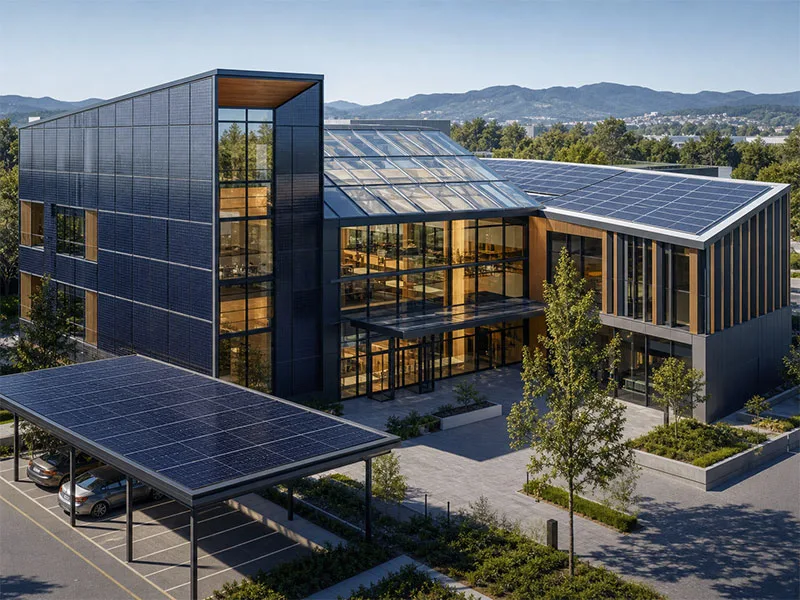
Facade Identity
Visible exterior sustainability
Roof Value
Commercial roof generation route
Glass Areas
Skylight, atrium, canopy, daylight needs
Project Review
ROI variables, documents, approval support
What Commercial Buildings Means
Commercial BIPV decisions are not only about module output. The best route must connect architecture, tenant perception, ESG value, envelope replacement logic, cost variables, and long-term building use.
1. Not Just Product Supply
We review BIPV as a building-envelope route, not as a generic solar panel added after design decisions are already fixed.
2. Project Route Matching
We help match facade, curtain wall, roof, glass, carport, transparent PV, and lightweight routes to project needs.
3. Technical and Delivery Support
We support communication around drawings, parameters, customization, production review, QC, packaging, and shipment readiness.
Commercial Building BIPV Is Usually Reviewed By
Different project roles need different BIPV supplier support. This page is designed to help each team understand what BIPVSYSTEM can support before detailed quotation begins.
Building Owners
Review asset value, public visibility, energy generation, and long-term project benefit.
Developers
Use BIPV to strengthen green-building positioning and commercial differentiation.
Architects
Coordinate facade, glass, roof, and canopy routes with design intent.
EPC Contractors
Confirm technical files, quotation scope, delivery documents, and site coordination.
From Project Requirement to BIPV System Route
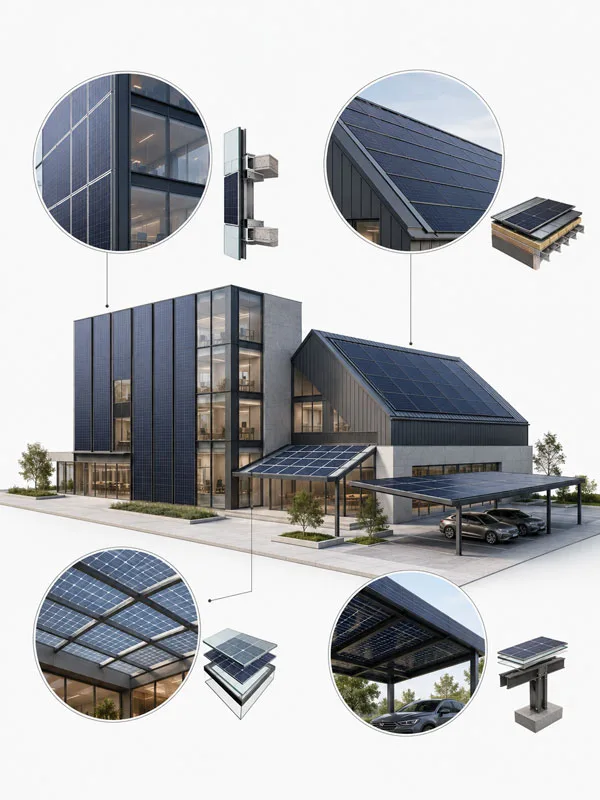
A BIPV solution should begin with the project requirement. The same building may require different routes depending on whether the focus is facade value, roof integration, transparency, parking coverage, or low-load surface adaptation.
Facade and Curtain Wall Route
For commercial exterior identity, high-value envelope areas, and visible architectural integration.
Roof and Metal Roof Route
For pitched roofs, metal roofs, industrial buildings, and large-area roof-integrated generation.
Glass and Transparency Route
For transparent photovoltaic panels, custom BIPV glass, skylights, atriums, and daylight-led applications.
Carport and Specialty Route
For parking areas, canopy structures, lightweight surfaces, curved surfaces, and semi-open building zones.
BIPV Solutions for Commercial Buildings Project Workflow
The following workflow helps project teams move from early inquiry to a more useful BIPV technical review.
Building Review
Confirm office, hotel, mall, campus, or public building application.
Surface Selection
Review facade, roof, glass, canopy, parking, or mixed-surface route.
Value Review
Compare visibility, generation potential, material replacement, and ESG use.
Document Support
Prepare datasheets, drawings, certification references, and quotation inputs.
Supply Coordination
Coordinate production, inspection, packaging, and export delivery readiness.
What BIPVSYSTEM Can Support
As a BIPV system manufacturer, BIPVSYSTEM supports the practical work that sits between concept design and final supply.
System Selection
Review facade, roof, glass, carport, transparent, and lightweight BIPV routes based on the project condition.
Size Customization
Support project-specific dimensions and layout discussions for building envelope applications.
Color and Transparency
Review visual expression, color, texture, transparency, and pattern needs for architectural projects.
Technical Files
Support datasheets, reference parameters, technical communication, and project review documents.
QC and Packaging
Support manufacturing communication, inspection, packaging, export preparation, and delivery coordination.
Quotation Support
Prepare quotation based on drawings, area, route selection, customization scope, and target market.
Product-to-Solution Support Matrix
Use this matrix to understand how different project needs can be connected to the right BIPV route and supplier support focus.
| Project Need | Recommended BIPV Route | Support Focus |
|---|---|---|
| Office tower or headquarters facade | BIPV Curtain Wall / Facade Modules | Visual identity, module rhythm, facade coordination |
| Shopping mall or public canopy | Transparent PV Glass / Solar Canopy | Daylight, shading, public-area appearance |
| Commercial roof area | BIPV Roof System | Roof layout, load, waterproofing, maintenance access |
| Parking and site coverage | Solar Carport Route | Parking layout, shading, outdoor durability |
| Developer value review | Commercial BIPV Solution | ESG visibility, cost variables, approval documentation |
Technical Documentation and Project Review Inputs
The quality of a BIPV quotation depends on the quality of project information. The more clearly your team can describe the application position, surface condition, visual target, and technical concerns, the more useful the first review will be.
| Information Needed | Why It Matters |
|---|---|
| Building type and project location | Helps review climate, market requirements, building use, and project context. |
| Application position | Facade, roof, glass, carport, skylight, canopy, and lightweight surfaces require different routes. |
| Drawings, area, or dimensions | Helps prepare layout review, product matching, and quotation scope. |
| Visual and performance targets | Color, transparency, texture, output, and envelope role influence system selection. |
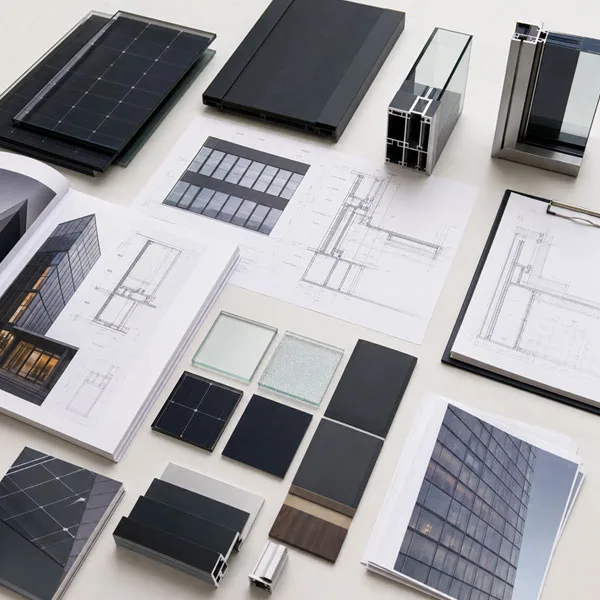
Proof Points for Project Confidence
Project teams need confidence before moving into procurement. BIPVSYSTEM can support this confidence through product route examples, manufacturing capability, quality control, packaging, and project communication.
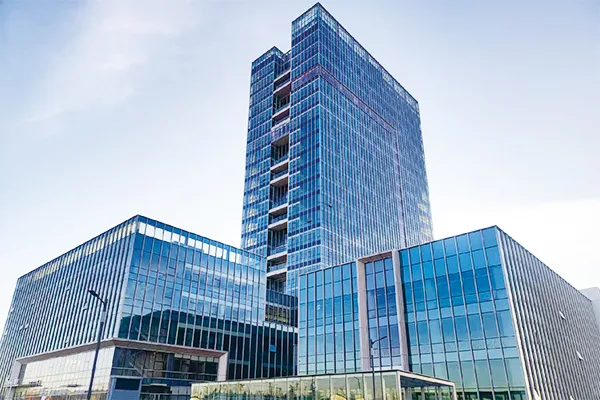
Project Route Proof
Reference projects show how BIPV facade, roof, glass and canopy systems fit real building applications.
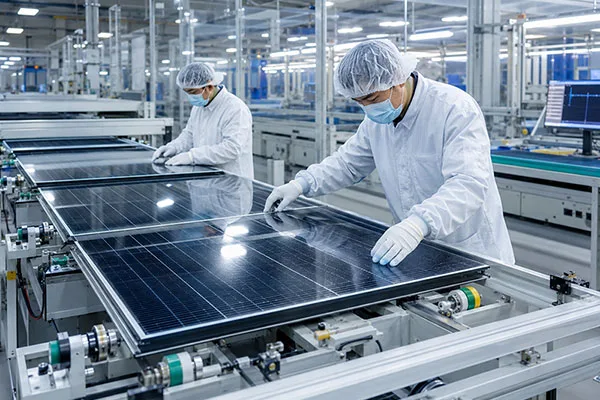
Manufacturing and QC Proof
Factory production, inspection process and quality control records help reduce supply risk before order confirmation.
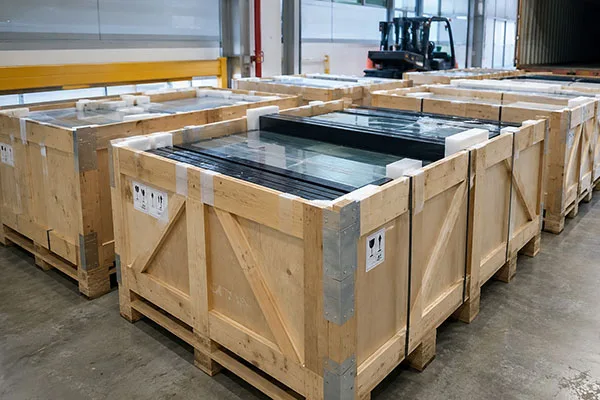
Packaging and Delivery Proof
Export packaging, shipment preparation and delivery documents support overseas project supply.
Helpful Resources Before Starting a BIPV Project
These resources can help your team understand BIPV system selection, compare project routes, and prepare better information before starting a technical review.
Frequently Asked Questions About One-Stop BIPV Solution
The following questions reflect the issues most often raised before project quotation and technical review begin. In many cases, buyers are not only asking about module output. They also want to know how BIPV modules differ from standard solar products, how far customization can go, which applications fit best, and what information is needed for a meaningful project discussion.
Q1. What does a one-stop BIPV solution include?
Q2. Is this page for architects, developers, or EPC contractors?
Q3. Can BIPVSYSTEM support custom BIPV solutions?
Q4. What information should I provide before quotation?
Q5. Does one-stop support mean installation service is included?
Q6. Can you review my drawings before quotation?
Start Your One-Stop BIPV Project Review
Send us your building type, application position, project drawings, approximate area, preferred route, and project stage. Our team will review your information and recommend a suitable BIPV system route for technical discussion and quotation.