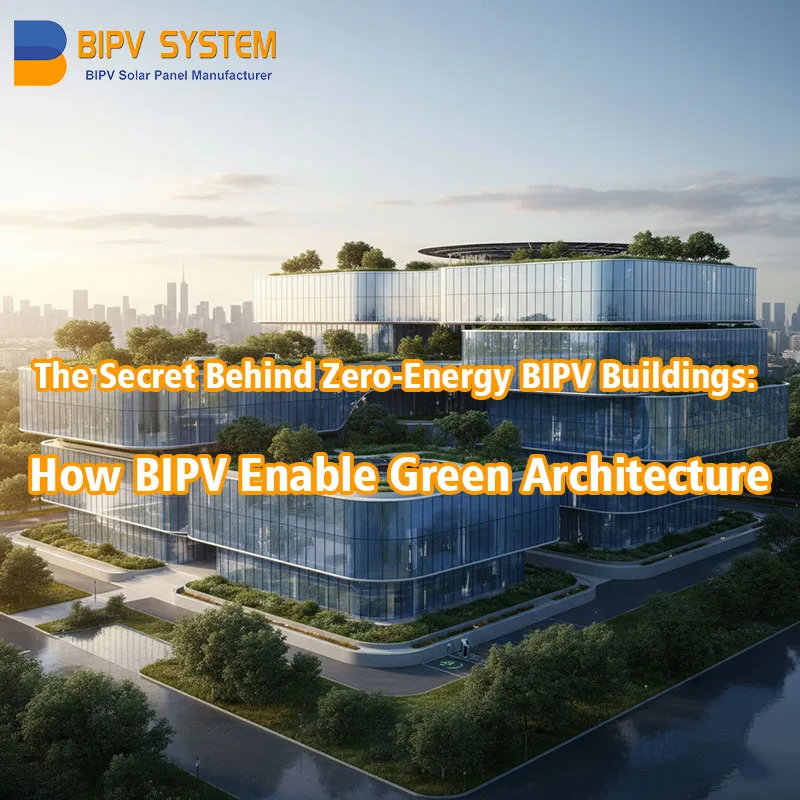
BIPV buildings represent the pinnacle of sustainable architecture, where solar-generating materials are seamlessly integrated into the building’s structure to achieve carbon neutrality. These zero-energy bipv buildings are designed to offset their total annual energy consumption by transforming roofs, facades, and windows into active power-generating surfaces. This technology not only provides clean electricity but also serves as a functional building envelope, offering thermal insulation and weather protection while meeting the rigorous demands of modern green building certifications like LEED and BREEAM.
Table of Contents
What Are BIPV Buildings?
BIPV buildings use Building Integrated Photovoltaic systems as part of their core construction. Instead of mounting solar panels on top of finished structures, BIPV replaces conventional building materials with photovoltaic components.
Typical building elements that can be integrated with BIPV include:
- Roof coverings
- Facade panels
- Curtain walls
- Skylights and shading devices
From a technical standpoint, a BIPV building treats energy generation as a building function, not a supplementary system.
What Does “Zero-Energy” Mean in Green Buildings?
A zero-energy building is designed so that the total amount of energy it consumes annually is equal to—or lower than—the amount of renewable energy it produces on site.
This balance is achieved through:
High-performance building envelopes
Energy-efficient HVAC and lighting systems
On-site renewable generation
When BIPV is used as the primary renewable source, the result is often referred to as a zero-energy BIPV building.
The Shift from Passive to Active: Why BIPV is the Key
In the past, “green building” mostly meant passive measures: better insulation, double-glazed windows, and LED lighting. While these are great, they only reduce consumption. To reach true net-zero, we need active production.
This is where bipv buildings change the game. By replacing standard curtain walls with BIPV glass or using solar roof tiles, a structure utilizes its entire surface area—the “envelope”—to harvest photons. I’ve seen projects where the vertical facade alone produced enough energy to power the entire building’s lighting and HVAC systems during peak hours.
How BIPV Systems Support Zero-Energy Building Goals
1. Maximizing On-Site Energy Generation
Unlike rooftop-only solar systems, BIPV systems utilize vertical and inclined building surfaces, dramatically increasing the available area for energy production—especially in dense urban environments.
This makes BIPV buildings particularly suitable for cities where roof space alone is insufficient.
2. Reducing Material Redundancy
Because BIPV replaces traditional construction materials, it serves two functions simultaneously:
Building enclosure (weather protection, insulation, aesthetics)
Electricity generation
This dual functionality is one of the key reasons BIPV systems align so well with green building principles.
3. Improving Architectural Integration
In many green building projects, aesthetics and sustainability must coexist.
BIPV systems allow architects to design energy-producing facades and roofs without compromising visual consistency, which is often critical for commercial and public buildings.
4. Supporting Long-Term Energy Performance
Zero-energy BIPV buildings are evaluated over their entire lifecycle, not just initial output.
Properly designed BIPV systems contribute to:
Long-term operational energy balance
Lower carbon emissions over the building’s lifespan
Improved asset value and sustainability certifications
Why BIPV Is Especially Relevant to Modern Green Building Policies
Around the world, building regulations are shifting toward:
- Net-zero energy requirements
- Mandatory renewable integration
- Carbon reduction targets
In this regulatory context, BIPV buildings offer a scalable and architecturally acceptable solution that meets both energy and planning requirements.
For developers, BIPV can reduce compliance risk.
For architects, it expands design possibilities.
Real-World Applications of Zero-Energy BIPV Buildings
Zero-energy BIPV buildings are commonly seen in:
- Commercial office buildings
- Educational and public facilities
- High-end residential developments
- Innovation and demonstration projects
In many cases, BIPV systems are combined with other efficiency strategies to reach true zero-energy performance.
Industry News: The Regulatory "Push"
We are seeing a massive shift in global policy. The EU’s Energy Performance of Buildings Directive (EPBD) is pushing for all new buildings to be zero-emission by 2030. In the US and Asia, carbon taxes and green subsidies are making bipv buildings the most financially sound investment for developers.
I often tell my clients: “You can pay for your electricity every month forever, or you can invest in a building skin that pays you back.” When you look at the ROI over 20 years, the ‘secret’ of net-zero isn’t just about saving the planet—it’s about smart, long-term asset management.
Frequently Asked Questions (People Also Ask)
What are BIPV buildings?
BIPV buildings are structures where photovoltaic systems are integrated into building elements such as roofs or facades, allowing the building to generate electricity as part of its envelope.
What is a zero-energy BIPV building?
A zero-energy BIPV building produces as much energy as it consumes over a year, using BIPV systems as a primary on-site renewable energy source.
How does BIPV help achieve zero-energy buildings?
BIPV increases on-site renewable generation while replacing conventional building materials, helping balance energy consumption and production.
Are BIPV buildings more expensive?
Initial costs may be higher, but BIPV buildings often reduce material duplication and operational energy costs over the building lifecycle.
Summarize
At BIPVSYSTEM, we specialize in turning blueprints into power plants. Whether you are aiming for a Net-Zero certification or simply want to future-proof your investment, our team is here to provide the technical expertise and custom solutions needed to bring your vision to life.
Are you ready to transform your next project into a self-sustaining landmark? Let’s talk about your energy goals today.Please contact us to get a free solution.