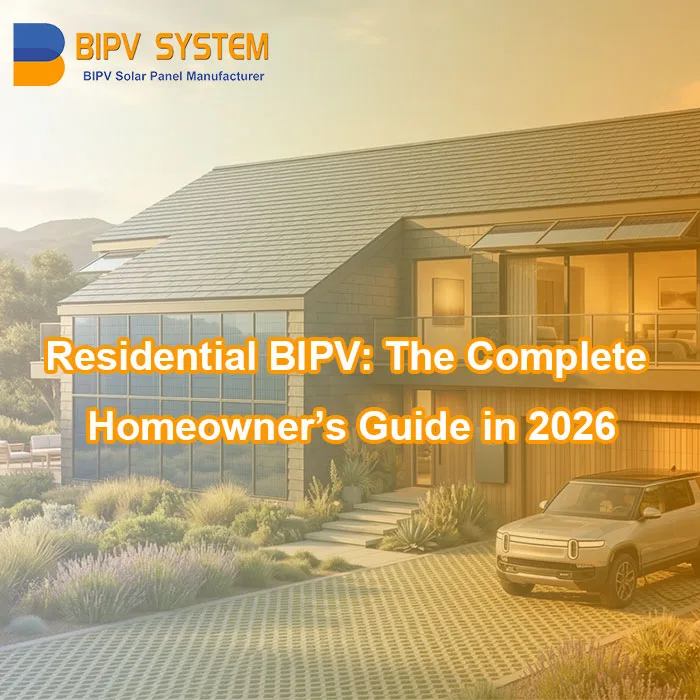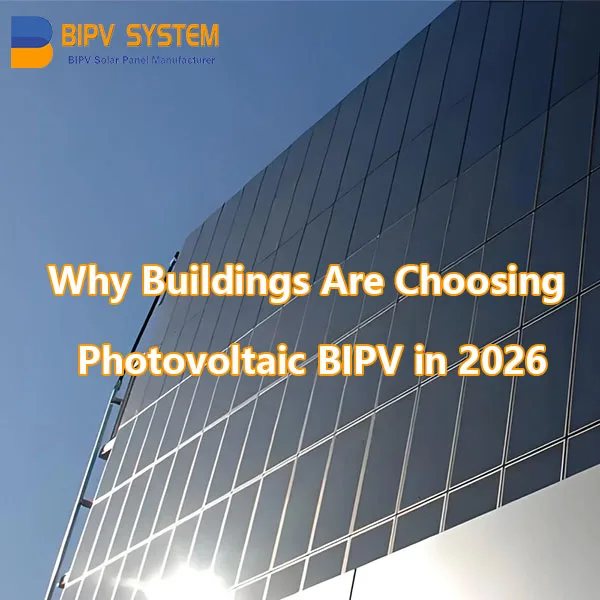
A residential BIPV (Building-Integrated Photovoltaics) system is a high-performance solar solution where photovoltaic materials replace traditional building components—such as roof tiles, shingles, or glass—to serve as both a protective outer shell and a renewable energy generator for the home. Unlike traditional “bolt-on” solar panels, residential bipv is engineered directly into the home’s architecture, providing structural weatherproofing and thermal insulation while generating clean electricity. This integration allows homeowners to achieve net-zero energy goals without compromising the property’s aesthetic value, effectively turning the building’s envelope into a silent, long-term financial asset that increases property valuation.
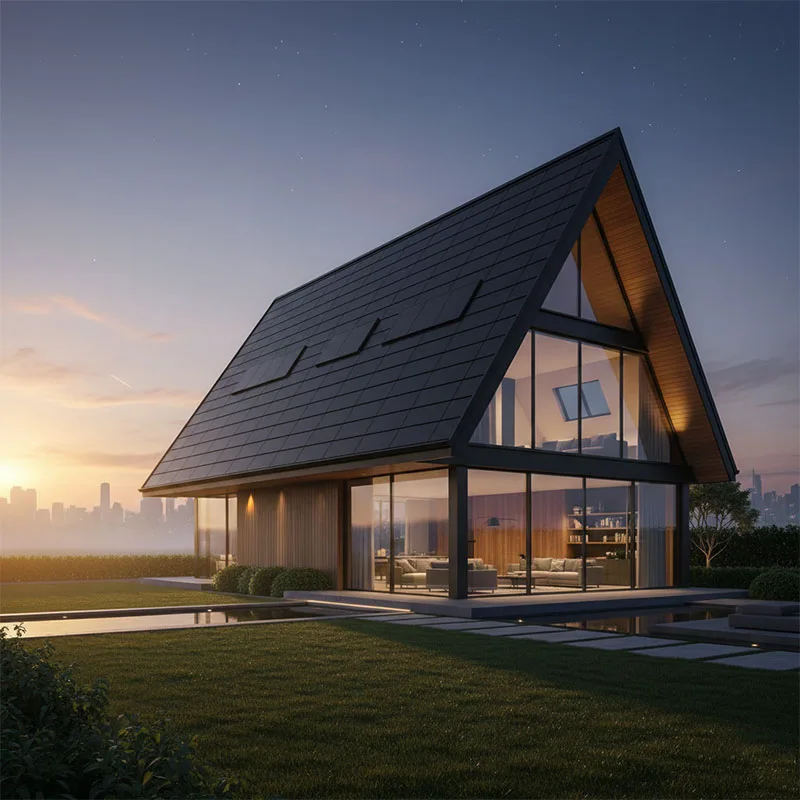
Residential BIPV is best for homeowners who want solar that looks like part of the home—especially during new construction or roof replacement—because the PV product replaces roofing materials while generating electricity. It can improve aesthetics and solve HOA constraints, but it often costs more upfront than conventional panels and requires careful envelope detailing (waterproofing, drainage, wiring routes, and service access). Serious evaluation should compare BIPV to the cost of a new roof + traditional PV, not to PV alone.
Table of Contents
Why homeowners are moving toward BIPV
“I want solar… but I don’t want my house to look like a science project.”
This is the most human reason, and it’s also the most common intent on page-1: “seamless roof,” “looks great from the street,” “the roof is the solar.”
I’ve talked to homeowners who were totally pro-solar—until they saw standard panels on racks and went, “Uh… can we not?”
BIPV exists for that moment.
Roof-space limits + shading + layout constraints
Some homes have:
complex roof geometry,
dormers, chimneys, skylights,
partial shading from trees or neighboring buildings,
making standard panel layout awkward. “Integrated solar roof” products often market flexibility in where active tiles go and where non-active tiles go.
Energy independence is now emotional, not just financial
The moment you live through a multi-hour outage, “backup power” stops being a spreadsheet line item. That’s why many residential BIPV narratives pair naturally with battery storage.
Residential BIPV types
NREL’s BIPV sourcebook groups most BIPV systems into roofing systems and façade systems, and within roofing: tiles, shingles, standing seam products, skylights.
For homes, the most common categories are:
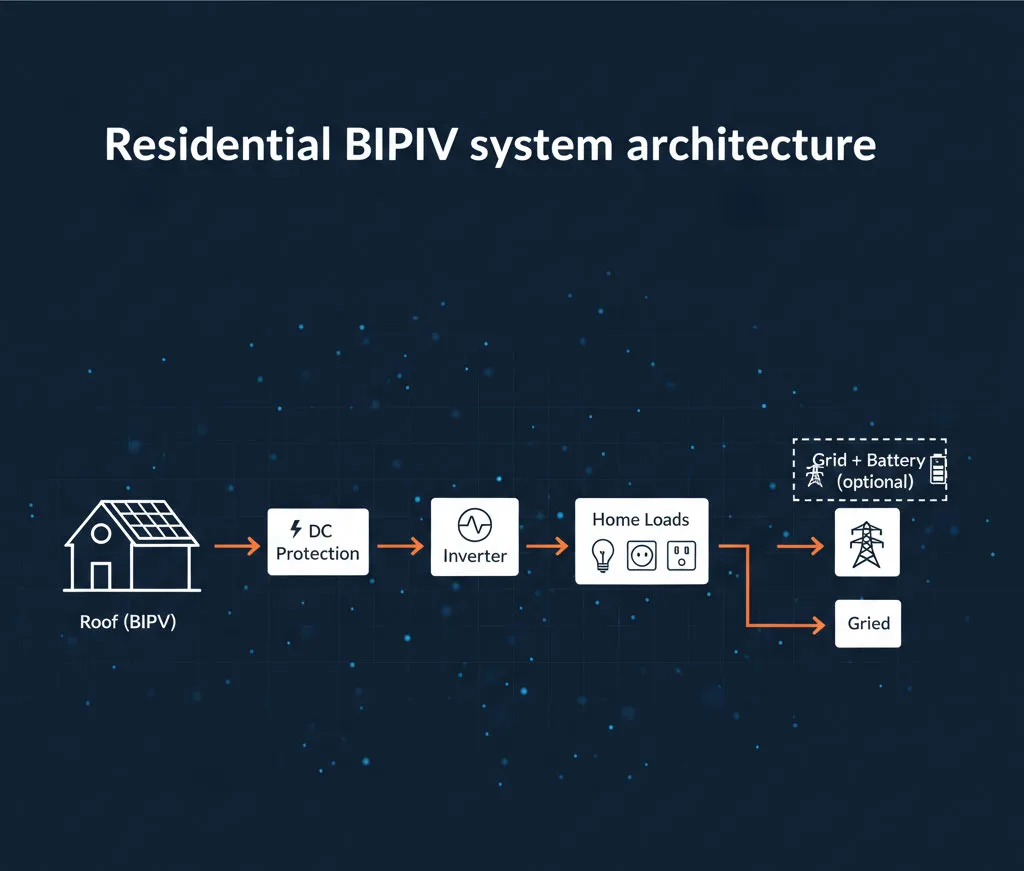
Solar roof tiles / solar shingles (roof-integrated)
This is what most homeowners mean by “residential BIPV.” Product pages typically emphasize that the PV element is also the weathering surface.
Best fit:
new build, or
roof replacement already planned
BIPV skylights / canopies / awnings
WBDG (U.S. DOE-backed) explicitly shows BIPV integrated into roofs, façades, awnings, and canopies.
Best fit:
patio canopies, sunrooms, entry canopies, carports—places where structure already exists.
Facade BIPV (siding / rainscreen-style integration)
Less common in single-family homes than roof-integrated BIPV, but it can be powerful for certain architecture styles—especially where facade area is large.
Cost: the only comparison that’s actually fair
Here’s where people get frustrated—understandably.
Many consumer guides point out solar shingles cost more than conventional panels.
But the correct comparison is usually:
BIPV roof vs (new roof) + (traditional PV panels)
Because BIPV is a construction product + PV module together—if you remove it, you must replace it with another building product. That’s the IEA PVPS Task 15 definition in a nutshell.
And NREL’s residential-sector BIPV report focuses precisely on cost drivers and installed price analysis for residential rooftop BIPV systems.
When residential BIPV tends to make economic sense
You already need a new roof soon.
You face HOA / planning restrictions where rack-mounted panels are rejected, but an integrated roof is acceptable.
You value “one integrated system” (roof + solar) for service clarity—some homeowner narratives emphasize a single warranty path.
When traditional panels usually win
Your roof is still in great shape and you just want lowest $/W.
You have a large, unshaded roof plane.
You want the highest energy density quickly.
Let’s be honest: a home is not a lab. BIPV must survive:
wind uplift / freeze–thaw cycles / water intrusion risk / thermal cycling / real installers on real roofs
A serious residential BIPV plan should cover:
A) Waterproofing & drainage design
BIPV is part of the envelope, so detailing matters as much as electrical design. WBDG frames BIPV as PV elements located within the building envelope—so envelope responsibility is non-negotiable.
What I recommend homeowners ask
Where does water go in a worst-case storm scenario?
Are there defined drainage paths and flashing strategy?
If a tile/shingle fails, can it be replaced without opening a large roof zone?
B) Shading & string design
Residential roofs often have mixed orientations. If shading is complex, module-level electronics may help—but the key is that system design matches roof geometry.
C) Thermal behavior
BIPV sits closer to roof deck than rack-mounted panels (less airflow), which can change operating temperature and performance. Good design accounts for ventilation strategy and materials.
“Energy independence” — what it really means
A BIPV roof alone does not automatically give you backup power during grid outages. Most grid-tied solar systems shut off during outage for safety reasons unless paired with appropriate storage and controls.
That’s why “integrated solar + storage” messaging is common in residential BIPV product positioning.
A practical definition I use with homeowners:
Resilience = solar + battery + proper backup architecture
Near-independence = enough PV + enough storage + load management + local policy support
A simple decision framework
If you want the “ultimate solution,” you need the right scenario.
You are a strong fit for residential BIPV if…
You’re building a new home or replacing the roof in the next 0–24 months.
You care deeply about aesthetics / HOA constraints.
You want one integrated envelope + energy concept (and likely storage).
You may be better with standard panels if…
Your roof is new and structurally ideal.
Your priority is lowest $/W and maximum generation quickly.
Why 2026 is the Year for Residential BIPV
With the 2026 updates to the Inflation Reduction Act (IRA) in the U.S. and the EPBD mandates in Europe, the financial incentives have never been higher. Homeowners are no longer just “customers”—they are “prosumers” (producers + consumers).
I’ve seen families go from a $400 monthly electricity bill to a $20 credit from their utility company. But more importantly, I’ve seen the look on their faces when they realize their beautiful home is silently, invisibly powering their lives.
FAQ: People Also Ask
What is residential BIPV?
Residential BIPV is building-integrated photovoltaics for homes—solar tiles/shingles/skylights/facade elements that replace conventional building materials while generating electricity.
Are BIPV solar roofs worth it for homes?
They can be worth it when you’re building new or replacing a roof soon, need HOA-friendly aesthetics, and value integrated design. Compared to conventional panels, BIPV often costs more upfront, so the fair comparison is BIPV roof vs new roof + traditional PV.
Is residential BIPV as efficient as traditional solar panels?
While traditional panels slightly edge out BIPV in raw efficiency (approx. 20-22% vs. 17-19% for BIPV), the difference is offset by the larger usable surface area BIPV provides. Since BIPV replaces the entire roof, you can often install a larger total capacity than you could with individual panels.
We know the pain of a leaky roof and the stress of rising energy costs. Our goal is to make those worries obsolete with a system that looks like a dream and works like a powerhouse.
Would you like me to create a custom 3D rendering of how a BIPV roof would look on your specific house style? Let’s visualize your energy independence today.