BIPVSYSTEM

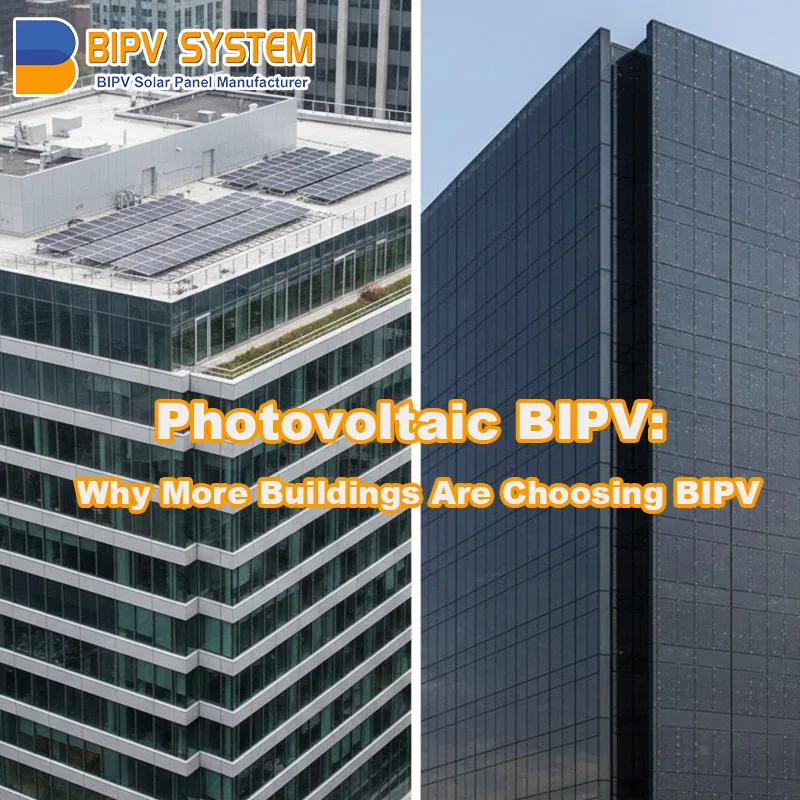
Photovoltaic BIPV: Why More Buildings Are Choosing BIPV

Photovoltaic BIPV: Why More Buildings Are Choosing BIPV

BIPV buildings help achieve green building goals by reducing operational carbon through on-site renewable electricity, while meeting envelope functions (cladding, glazing, shading). They support net-zero pathways that prioritize energy efficiency first and then supply remaining demand with renewable energy, and they align with certification frameworks that recognize on-site/near-site renewables and metered performance.

Photovoltaic BIPV: Why More Buildings Are Choosing BIPV Read More »
Thin Film BIPV vs Crystalline Silicon

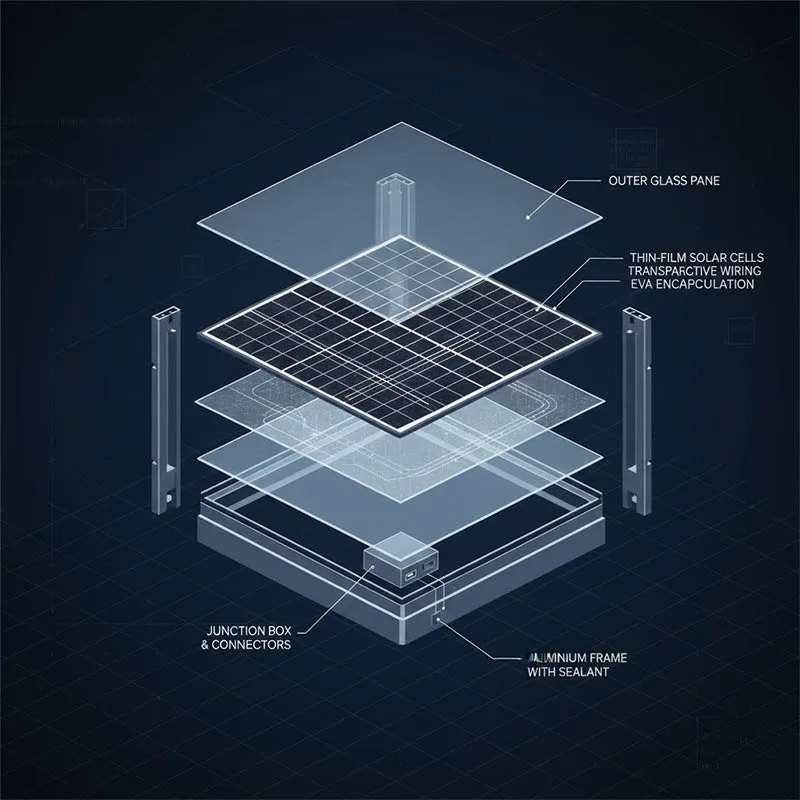
Thin Film BIPV vs Crystalline Silicon(c-Si): Which BIPV Technology Fits Your Project?

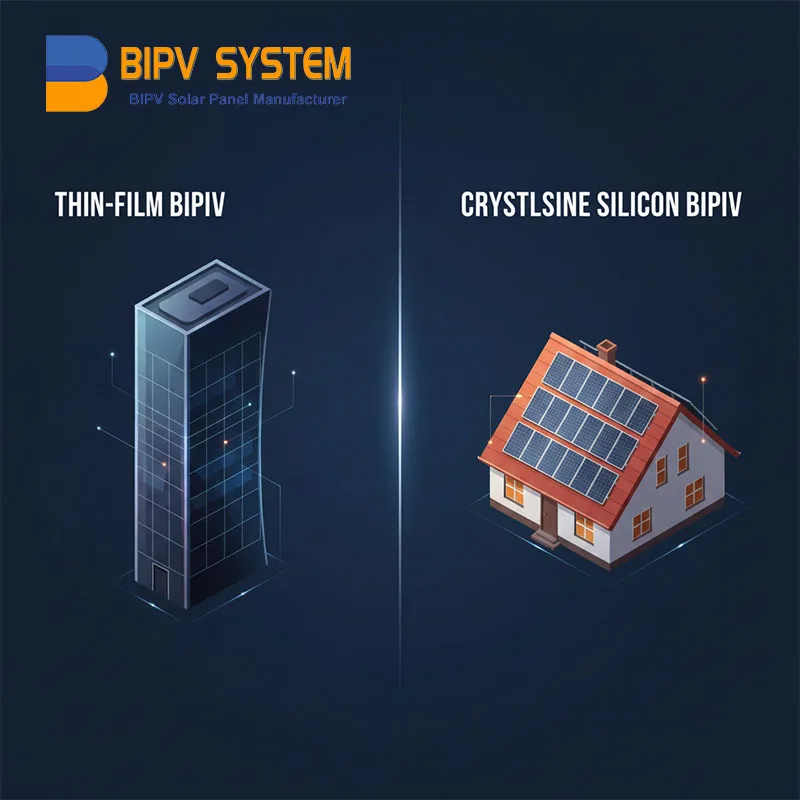
Thin film BIPV and crystalline silicon BIPV are two major building-integrated photovoltaic technologies. This article explains their core differences, working principles, and how to choose the right BIPV technology for real architectural projects.

Thin Film BIPV vs Crystalline Silicon(c-Si): Which BIPV Technology Fits Your Project? Read More »

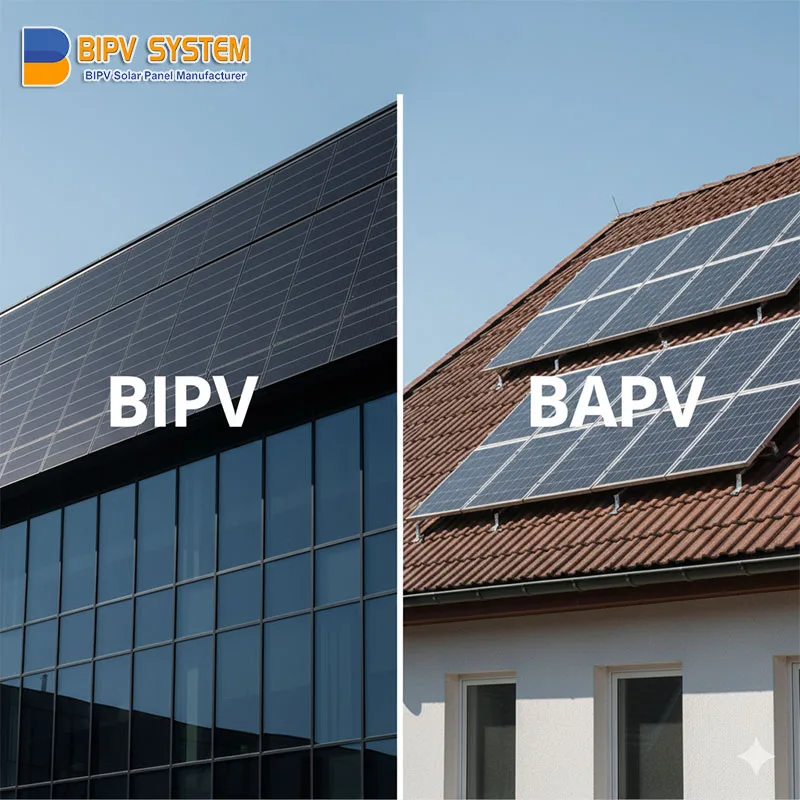
The ultimate difference between BIPV and BAPV

The ultimate difference between BIPV and BAPV: Why is BIPV the future trend?

The current solar construction market is primarily divided into two camps: BIPV (Building-Integrated Photovoltaics) and BAPV (Building-Applied Photovoltaics). While both technologies generate electricity, they differ fundamentally in design logic, structural function, and long-term return on investment (ROI).

The ultimate difference between BIPV and BAPV: Why is BIPV the future trend? Read More »